Easy Hollandaise Sauce Recipe
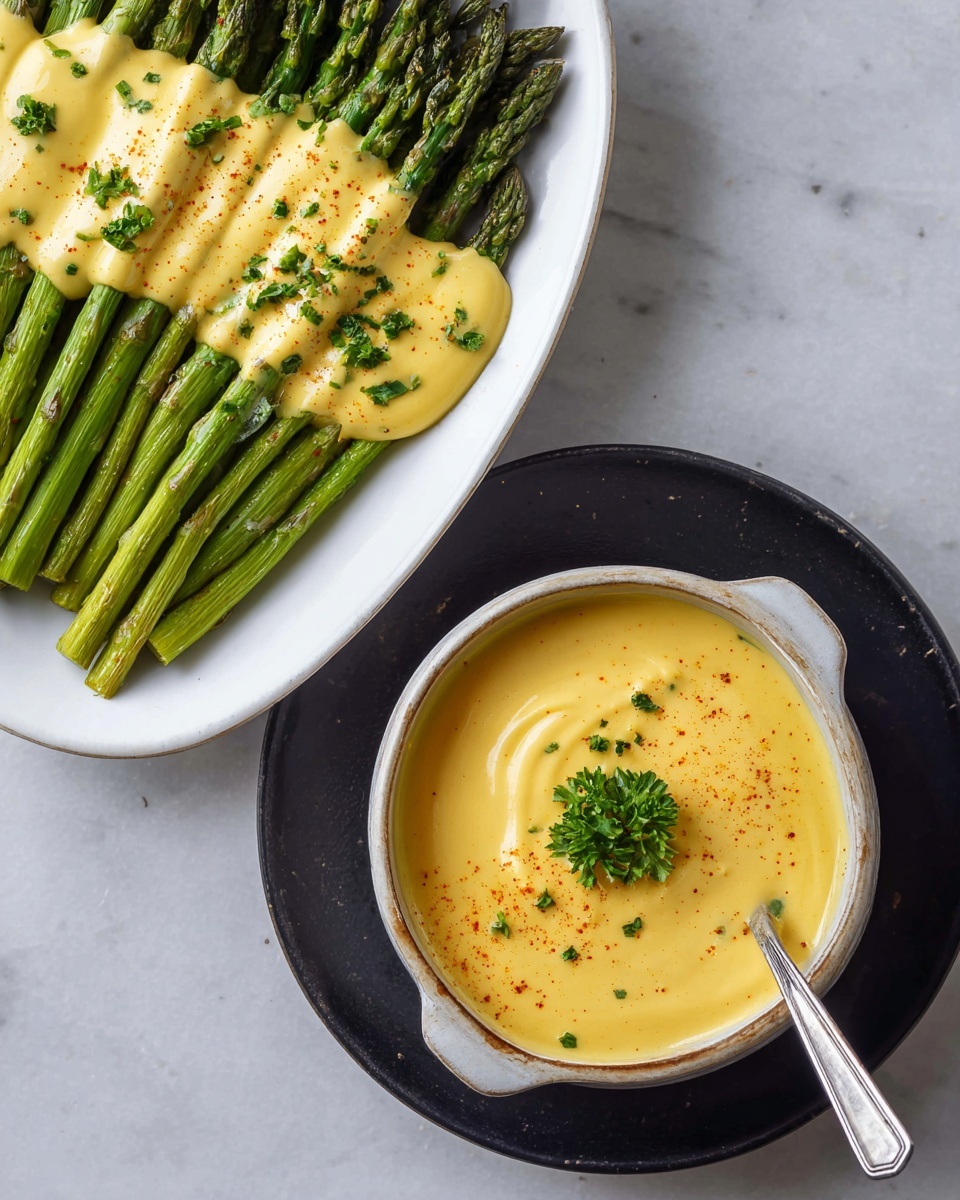
I’m excited to share this easy hollandaise sauce recipe with you because it’s honestly one of those magical sauces that instantly elevates any dish. Whether you’re dressing up your eggs benedict, drizzling it over steamed asparagus, or adding a luxe touch to your salmon, this hollandaise is rich, buttery, and perfectly tangy—all without a ton of fuss. It’s my go-to when I want a special sauce without spending hours in the kitchen.
What makes this easy hollandaise sauce recipe so worth trying is how approachable it is—no double boilers or complicated techniques required. I remember the first time I nailed it; the sauce came together so smoothly and quickly, and I felt like a pro. I hope you enjoy making it as much as I do because once you have this technique down, you’ll find tons of ways to use this golden goodness.
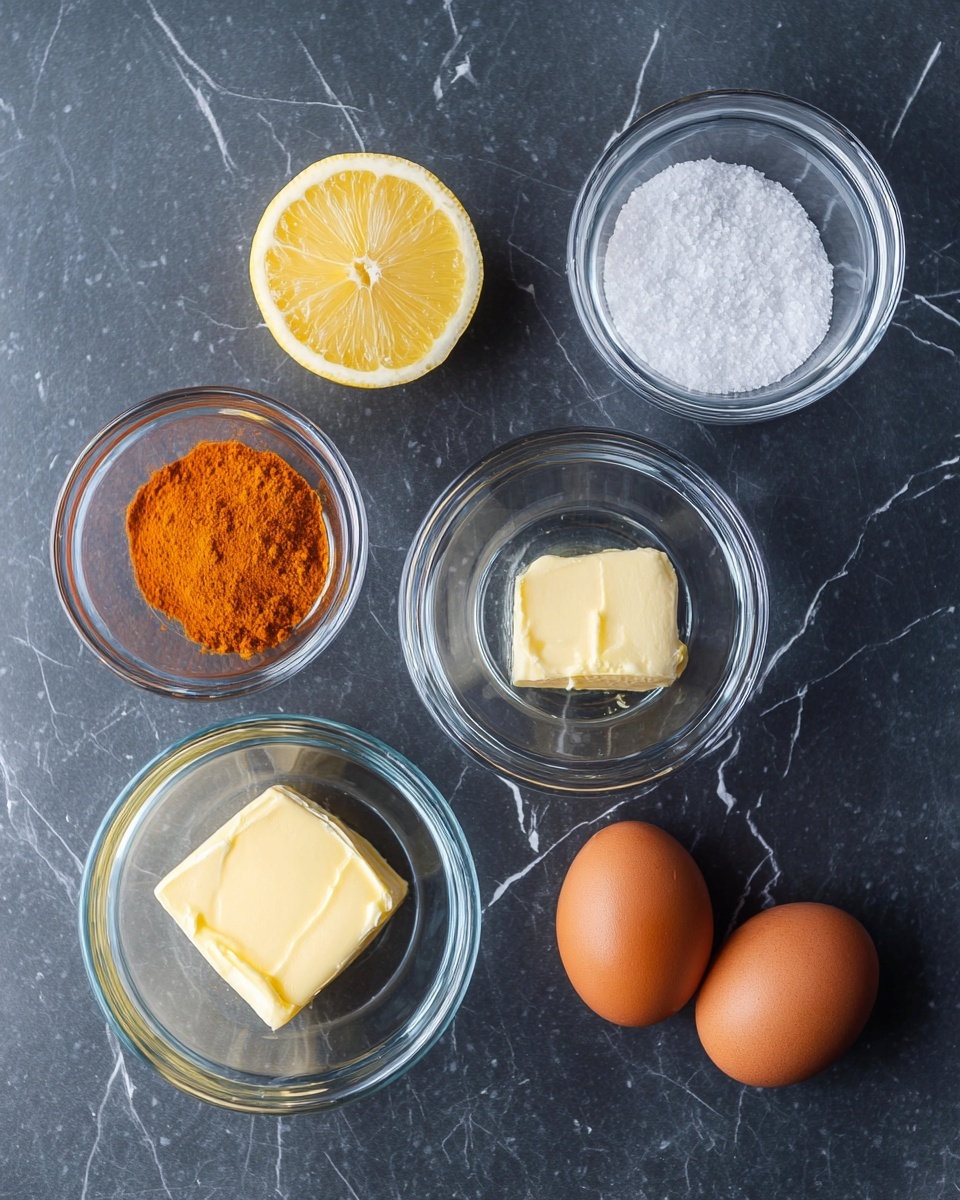
Ingredients You’ll Need
Each ingredient in this hollandaise sauce plays a key role to create that silky, rich texture and balanced flavor. I like to use the freshest ingredients I can get my hands on, especially when it comes to egg yolks and butter.
- Egg yolks: The star of the sauce, they give hollandaise its creamy body. Use fresh, large eggs for the best texture.
- Lukewarm water: Helps to gently start cooking the yolks so they don’t scramble when heated too fast.
- Fresh lemon juice: Adds bright acidity that cuts through the richness, so don’t skip the fresh lemon—it makes a huge difference.
- Dijon mustard: A little sneaky flavor booster that stabilizes the sauce and adds subtle depth.
- Unsalted butter: Go for good quality butter, unsalted so you can control the saltiness yourself. It’s what makes the sauce buttery and smooth.
- Fine sea salt: Enhances flavor; sprinkle gradually and taste as you go.
- Cayenne pepper: Just a pinch adds a gentle kick without overwhelming—feel free to adjust to your spice preference.
Variations
I love making this recipe my own by tweaking the flavors just a bit or swapping ingredients depending on what’s on hand. Hollandaise is so versatile—you can easily customize it to suit your taste or dietary needs.
- Herb-Infused Hollandaise: I’ve stirred in finely chopped tarragon or chives before to add a fresh, herby note that pairs beautifully with eggs and veggies.
- Dairy-Free Version: Try substituting ghee or clarified butter to keep it rich but with less lactose—this has worked well for some friends with sensitivities.
- Spicy Hollandaise: If you like a bit more heat, a dash of smoked paprika or a few drops of hot sauce can give your sauce a fun twist.
- Lemon Variations: Sometimes I swap lemon juice for a splash of white wine vinegar or even orange juice for a more subtle citrus flavor.
How to Make Easy Hollandaise Sauce Recipe
Step 1: Prep Your Ingredients and Separate Yolks
First things first: carefully separate the egg yolks from the whites. I like to use the shell-to-shell method over a bowl, but if that’s tricky, there are plenty of handy tools to help. Don’t toss those whites—they’re great for an omelet or meringue later! Once you’ve got your yolks, place them in a small non-reactive saucepan along with lukewarm water, fresh lemon juice, and Dijon mustard. Whisk it all together until it’s smooth and combined—getting off to a good mix here sets you up for success.
Step 2: Add Butter and Gently Heat While Whisking
Cut your unsalted butter into small chunks—that way it melts more evenly and you can whisk it in piece by piece smoothly. Place your saucepan over medium-low heat and start whisking constantly. This step is key: keep that whisk moving so the eggs don’t scramble. As the butter melts, you’ll notice the sauce start to get frothy and thicker—that’s exactly what you want. In about 3 minutes, it should be thick enough to coat the back of a spoon. The moment you see that, take it off the heat immediately to avoid overcooking.
Step 3: Season and Adjust Consistency
Now for the fun part: seasoning! Add your fine sea salt and a pinch of cayenne pepper. I usually start with less and taste as I go because you can always add more but you can’t take it out. If the sauce feels a bit too thick when you’re ready to serve, just whisk in a teaspoon of warm water—it loosens things without compromising flavor. And that’s all there is to it! Your easy hollandaise sauce is ready to elevate whatever you’re serving.
How to Serve Easy Hollandaise Sauce Recipe
Garnishes
I love topping my hollandaise with a little extra flair—fresh chopped parsley or chives add a pop of color and a fresh bite. For a hint of texture, a sprinkle of smoked paprika or cracked black pepper really amps up the look and taste. Sometimes I even garnish with thin lemon zest strips to highlight that bright citrus flavor in the sauce.
Side Dishes
Easy hollandaise sauce shines over breakfast favorites like poached eggs and smoked salmon, but don’t stop there. I love drizzling it over roasted asparagus, steamed broccoli, or even crispy roasted potatoes. It’s also amazing poured over grilled chicken or fresh steamed artichokes for something a bit more dinner-worthy.
Creative Ways to Present
For special brunches or dinner parties, I like to serve this hollandaise in a small warmed gravy boat so guests can pour it themselves. Another fun idea is layering it inside a savory tart or quiche as a finishing drizzle. And if you’re feeling playful, try a hollandaise bar with different garnishes and variations to let everyone customize their sauce experience.
Make Ahead and Storage
Storing Leftovers
If you have leftover hollandaise (which can be rare because it’s so good!), store it in an airtight container in the fridge for up to one day. I find it’s best to use it quickly because the sauce can separate or thicken too much.
Freezing
Freezing hollandaise sauce isn’t really recommended because it tends to lose its silky texture once thawed. From my experience, it separates and becomes grainy, so I usually make it fresh or just enough for what I need.
Reheating
To reheat leftover hollandaise gently, I warm it slowly over the lowest heat setting on the stove while whisking constantly. Alternatively, placing the sauce bowl over a warm water bath works wonders to keep it smooth without scrambling. If it gets too thick, adding a teaspoon of warm water will help bring back that perfect consistency.
FAQs
-
Can I make this easy hollandaise sauce recipe ahead of time?
You can prepare hollandaise sauce shortly in advance and keep it warm for up to 30 minutes, but it’s best enjoyed fresh. If you must make it ahead, store it in a warm spot or use a warm water bath to keep it from thickening or splitting.
-
What’s the best way to prevent hollandaise sauce from breaking?
Temperature control and constant whisking are key. Use medium-low heat, and don’t rush. Adding butter slowly while whisking helps the sauce emulsify without scrambling the eggs, which prevents breaking.
- Can I use a blender to make hollandaise sauce?
Yes! A blender can make it quick and foolproof, but I love the hands-on whisking method for the control it gives. If using a blender, start with egg yolks and lemon, then slowly drizzle in melted butter while blending.
- What dishes go best with hollandaise sauce?
Hollandaise pairs beautifully with eggs benedict, steamed or roasted vegetables, salmon, and even grilled chicken. It’s great as a finishing sauce for many breakfast and brunch classics.
Final Thoughts
This easy hollandaise sauce recipe is a little kitchen triumph that I’m always excited to whip up and share. It’s one of those sauces that feels fancy but actually fits perfectly into everyday cooking once you know the steps. Give it a go—you’ll be thrilled at how it transforms simple dishes and impresses anyone lucky enough to try it. If I can do it, trust me, you can too, and your kitchen will thank you!
PrintEasy Hollandaise Sauce Recipe

A classic and easy-to-make Hollandaise sauce that is rich, creamy, and tangy. Made with simple ingredients like egg yolks, butter, lemon juice, and a hint of cayenne, this sauce is perfect for drizzling over eggs Benedict, steamed vegetables, or grilled fish.
- Prep Time: 5 minutes
- Cook Time: 5 minutes
- Total Time: 10 minutes
- Yield: 4 servings 1x
- Category: Sauce
- Method: Stovetop
- Cuisine: French
Ingredients
Hollandaise Sauce Ingredients
- 2 large egg yolks
- 2 Tbsp lukewarm water
- 2 tsp fresh lemon juice
- 1/2 tsp Dijon mustard
- 1/2 cup unsalted butter (8 Tbsp), cut into small pieces
- 1/4 tsp fine sea salt, or more to taste
- 1/8 tsp cayenne pepper, or more to taste
Instructions
- Separate the eggs: Separate the egg yolks from the whites. Store the egg whites in an airtight container in the refrigerator for use in another recipe.
- Combine ingredients: In a small non-reactive saucepan, whisk together the egg yolks, lukewarm water, fresh lemon juice, and Dijon mustard until the mixture is smooth and well combined.
- Add butter pieces: Add the small pieces of unsalted butter to the egg mixture in the saucepan.
- Heat and whisk: Place the saucepan over medium-low heat. Whisk the mixture constantly as the butter melts and the sauce becomes frothy. Continue whisking for about 3 minutes, or until the sauce thickens enough to coat the back of a spoon. Immediately remove from heat to prevent curdling.
- Season and serve: Stir in the fine sea salt and cayenne pepper, adjusting seasoning to your taste. Serve the hollandaise sauce immediately or keep warm by covering. If the sauce thickens too much, whisk in a teaspoon of warm water to loosen it.
Notes
- Use fresh egg yolks for the best texture and flavor.
- Keep the heat low to avoid scrambling the eggs.
- Serve immediately for optimal texture and flavor.
- If the sauce separates or becomes too thick, whisk vigorously or add a bit of warm water to restore smoothness.
- The sauce can be kept warm in a covered container over a warm water bath but avoid reheating on direct heat.
Keywords: Hollandaise sauce, easy hollandaise, egg yolk sauce, classic French sauce, brunch sauce, eggs Benedict sauce