Thai Coconut Peanut Cauliflower Curry Recipe
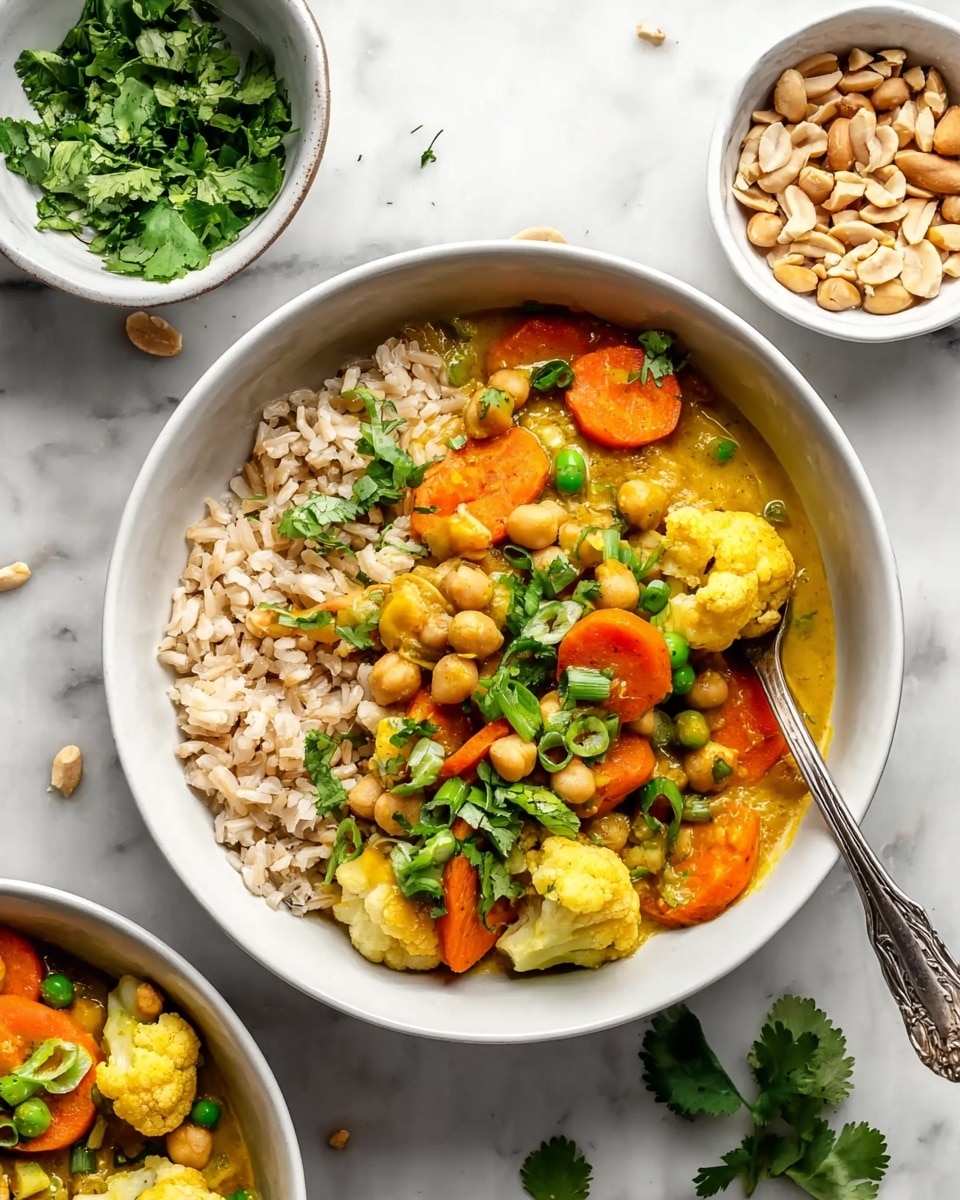
You’re going to fall in love with this Thai Coconut Peanut Cauliflower Curry Recipe – it’s a perfect balance of creamy coconut milk, rich peanut butter, and those bold Thai red curry spices that warm you right up. I always make this when I want something cozy but still vibrant and fresh, and it’s amazing how the cauliflower soaks up all those wonderful flavors. It’s also super flexible, so whether you’re cooking for a weeknight dinner or prepping for meal prep, it hits the spot every time.
What makes this Thai Coconut Peanut Cauliflower Curry Recipe especially worth trying is how it’s packed with veggie goodness but still feels indulgent thanks to the peanut butter’s creamy texture and just enough heat from the cayenne. Plus, it’s vegetarian and easily adaptable, which makes it a reliable go-to for when I want a healthy meal that doesn’t sacrifice on flavor. Trust me, once you try this, it’ll become a staple in your rotation too.
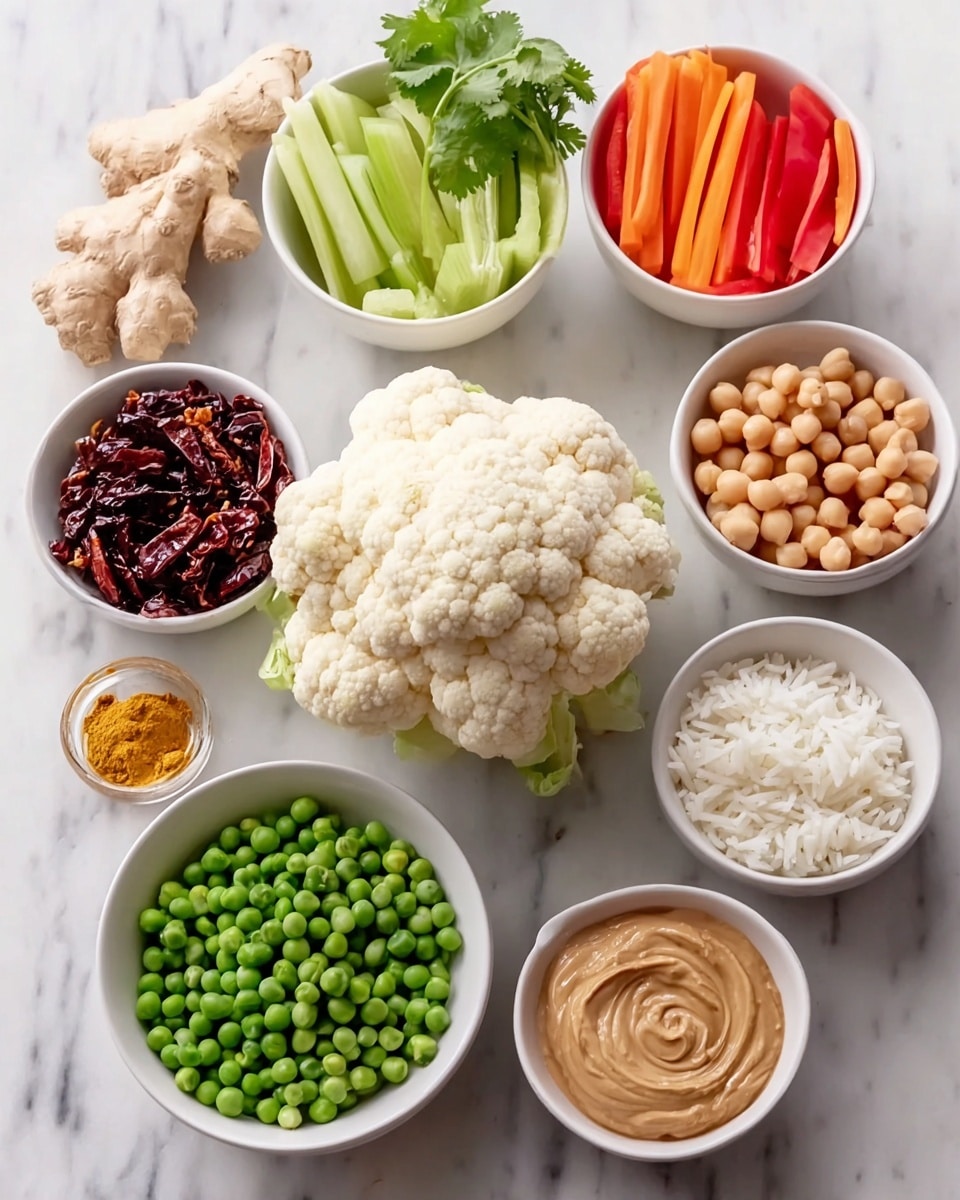
Ingredients You’ll Need
These ingredients come together beautifully to create that signature Thai flavor with a peanutty twist. When shopping, try to find fresh ingredients like ginger and green onions for that authentic punch; the red curry paste is your flavor powerhouse here, so choose a good quality one!
- Coconut oil: Perfect for sautéing and adds a subtle coconut flavor enhancing the curry’s richness.
- Garlic: Fresh minced garlic brings that savory depth you can’t skip on.
- Fresh ginger: Grated ginger gives sharp warmth and brightness; don’t substitute with powder if you can avoid it.
- Carrot: Thin slices melt slightly during cooking, adding a sweet crunch that pairs well with curry spices.
- Cauliflower florets: The star of the dish; their mild flavor soaks up the curry sauce perfectly.
- Green onions: Both cooked and raw, they add freshness and a gentle bite.
- Lite coconut milk: Keeps the curry creamy but light enough to let the flavors shine.
- Water or vegetarian broth: Thins the sauce just right without overpowering the coconut flavor.
- Red curry paste: The base of the curry’s heat and complexity; use more or less depending on your spice preference.
- Natural creamy peanut butter: Creates that signature peanut curry creaminess; cashew butter works as a nutty alternative.
- Gluten-free soy sauce or coconut aminos: Adds umami depth and balances the curry’s sweetness.
- Ground turmeric: Offers earthiness and a lovely golden hue.
- Cayenne pepper: Kicks up the heat level; add it gradually if you’re unsure about spiciness.
- Salt: Essential for building all the flavors.
- Red pepper (julienned): Adds a pop of color and slight sweetness at the end.
- Chickpeas: These boost protein and provide a pleasant bite that balances the softness of the cauliflower.
- Frozen peas: They pop with a mild sweetness and brighten the dish right before serving.
Variations
I love mixing things up with this Thai Coconut Peanut Cauliflower Curry Recipe depending on what I have on hand or who I’m cooking for. Feel free to personalize the spice level or swap veggies to your taste—the recipe is forgiving and delicious no matter how you tweak it.
- Protein boost: I sometimes add tofu or tempeh for extra protein when serving to guests who want more heft.
- Nut-free version: Use sunflower seed butter instead of peanut butter for a tasty allergy-friendly curry.
- Veggie swaps: Broccoli or green beans work nicely instead of cauliflower; they bring their own texture and freshness.
- Spice tweaks: If you like it milder, cut back on cayenne and red curry paste; for heat lovers, I add a splash of sriracha on top when serving.
- Make it more saucy: Add extra coconut milk or broth if you prefer a thinner curry—just remember to adjust seasoning accordingly.
How to Make Thai Coconut Peanut Cauliflower Curry Recipe
Step 1: Sauté Your Aromatics
Start by warming the coconut oil in a large skillet or saucepan over medium heat. Toss in the minced garlic and grated ginger, stirring constantly for about 1-2 minutes until fragrant but not burnt. The aroma at this stage is heavenly—don’t rush, as this foundation sets the tone for the whole curry.
Step 2: Add Veggies and Red Curry Paste
Throw in the thinly sliced carrot and cauliflower florets, stirring to coat them well with the garlic and ginger mixture. Then spoon in the red curry paste, mixing it through so the veggies get nicely coated. I find sautéing these together for about 3-4 minutes softens the cauliflower just enough before liquid goes in.
Step 3: Pour Coconut Milk and Flavorings
Next up, pour in the lite coconut milk and water or vegetarian broth, stirring everything together. Add peanut butter, gluten-free soy sauce, ground turmeric, cayenne pepper, and salt. Stir well to combine—the peanut butter will melt into the coconut milk creating a rich, creamy sauce. Bring everything to a gentle simmer.
Step 4: Add Chickpeas, Peas, and Final Veggies
Once the curry is simmering and the cauliflower is just tender (about 8-10 minutes), add the rinsed chickpeas, frozen peas, diced green onions, and julienned red pepper. Cook for another 3-5 minutes until the peas are heated through and the red pepper stays crisp-tender. This is where the curry really finishes developing its beautiful texture.
How to Serve Thai Coconut Peanut Cauliflower Curry Recipe
Garnishes
I always top mine with fresh cilantro, extra chopped green onions, and a sprinkle of chopped peanuts or cashews for crunch. These garnishes not only brighten the look but add layers of fresh texture and a little contrast to the creamy sauce.
Side Dishes
For sides, I like serving it over jasmine or basmati rice to soak up all that flavorful sauce, or sometimes with quinoa when I want a protein punch. Steamed greens or simple cucumber salad also make refreshing accompaniments.
Creative Ways to Present
Once, I served this in individual mini coconut bowls at a dinner party—it was a big hit and instantly elevated a casual meal into something special. You could also plate it with a swirl of coconut cream and sprinkle of chili flakes for extra flair.
Make Ahead and Storage
Storing Leftovers
I store leftovers in airtight containers and keep them in the fridge for up to 4 days. The flavors actually deepen overnight, which is a bonus! Just give it a good stir before reheating.
Freezing
Freezing works well too—just portion into freezer-safe containers or bags. I recommend thawing in the fridge overnight before reheating to maintain the texture of the cauliflower and sauce.
Reheating
I reheat this curry gently on the stovetop over low heat to avoid curdling the coconut milk. Add a splash of water or broth if it looks too thick, and heat until warmed through, stirring occasionally.
FAQs
-
Can I make this Thai Coconut Peanut Cauliflower Curry Recipe vegan?
Absolutely! This recipe is naturally vegan since it uses plant-based ingredients like coconut milk, peanut butter, and vegetables. Just be sure your red curry paste doesn’t contain shrimp paste or fish sauce, which some store-bought varieties might include.
-
How spicy is this curry, and can I adjust the heat?
The curry has a moderate heat level thanks to the red curry paste and cayenne pepper, but it’s totally customizable. If you prefer milder dishes, reduce the cayenne and curry paste; for more heat, add extra cayenne or some fresh chili slices when serving.
-
What can I substitute for peanut butter if I have allergies?
You can swap peanut butter for other creamy nut or seed butters like cashew butter, almond butter, or sunflower seed butter for a nut-free option. Just choose a natural, unsweetened variety to keep the curry balanced.
-
Is this recipe gluten-free?
Yes, it’s gluten-free as long as you use gluten-free soy sauce or coconut aminos in place of regular soy sauce. All the other ingredients are naturally gluten-free.
-
Can I prepare this curry in advance?
Definitely! The Thai Coconut Peanut Cauliflower Curry Recipe reheats beautifully and actually tastes better the next day as the flavors meld. Just store it in the refrigerator and warm up gently when ready to eat.
Final Thoughts
This Thai Coconut Peanut Cauliflower Curry Recipe has become one of those dishes I turn to when I want something that’s both comforting and exciting. It’s quick enough for a weeknight, but flavorful enough to impress guests. I hope you enjoy making it as much as I do—it’s simple to prepare, versatile, and always leaves me feeling nourished and satisfied. Give it a try, and I have a feeling it’ll become a favorite in your kitchen too!
PrintThai Coconut Peanut Cauliflower Curry Recipe
A vibrant and creamy Thai Coconut Peanut Cauliflower Curry featuring tender cauliflower florets and a rich blend of red curry, coconut milk, and peanut butter. This easy-to-make vegetarian curry is bursting with flavor, perfect for a comforting weeknight meal or a special occasion. It is enhanced with nutritious chickpeas and colorful vegetables, garnished with fresh cilantro, green onions, and crunchy nuts for texture.
- Prep Time: 15 minutes
- Cook Time: 25 minutes
- Total Time: 40 minutes
- Yield: 4 servings 1x
- Category: Main Course
- Method: Stovetop
- Cuisine: Thai
- Diet: Gluten Free
Ingredients
Curry Ingredients
- ½ tablespoon coconut oil
- 3 cloves garlic, minced
- 1 tablespoon freshly grated ginger
- 1 large carrot, thinly sliced
- 1 small head cauliflower, broken into florets (3–4 cups)
- 1 bunch green onions, diced
- 1 (15 ounce) can lite coconut milk
- ⅓ cup water or vegetarian broth
- 2 tablespoons red curry paste
- 2 tablespoons natural creamy peanut butter (or cashew butter)
- ½ tablespoon gluten-free soy sauce or coconut aminos
- ½ teaspoon ground turmeric
- ½ teaspoon cayenne pepper, plus more if desired
- ½ teaspoon salt
- 1 red pepper, julienned
- 1 (15 ounce) can chickpeas, rinsed and drained
- ½ cup frozen peas
For Garnish
- Fresh cilantro
- Green onion
- Chopped peanuts or cashews
Instructions
- Prepare the Base: Heat the coconut oil in a large skillet or pan over medium heat. Add the minced garlic and freshly grated ginger, sautéing until fragrant and lightly golden, about 1-2 minutes.
- Add Vegetables: Stir in the thinly sliced carrot and cauliflower florets. Cook for about 5 minutes until they start to soften.
- Mix Curry Sauce Ingredients: Pour in the lite coconut milk and ⅓ cup water or vegetarian broth. Stir to combine, then add the red curry paste, natural creamy peanut butter, gluten-free soy sauce, ground turmeric, cayenne pepper, and salt. Mix well until the peanut butter is fully incorporated.
- Simmer the Curry: Reduce the heat to low and simmer the curry gently for 10-12 minutes, stirring occasionally, until the cauliflower is tender and the sauce has thickened slightly.
- Add Additional Vegetables and Chickpeas: Stir in the julienned red pepper, rinsed and drained chickpeas, frozen peas, and diced green onions. Cook for an additional 5 minutes to warm through and let flavors meld.
- Garnish and Serve: Remove from heat. Garnish with fresh cilantro, additional diced green onions, and chopped peanuts or cashews for a crunchy texture. Serve hot over steamed rice or your favorite grain.
Notes
- For a spicier curry, increase the cayenne pepper to taste.
- Use cashew butter as a peanut butter substitute for a different nutty flavor.
- Serve with jasmine rice or quinoa for a complete meal.
- Adjust the consistency of the curry by adding more water or vegetable broth if desired.
- This curry can be made ahead and reheats well, allowing flavors to deepen.
- Ensure to use gluten-free soy sauce or tamari to keep the dish gluten-free.
Keywords: Thai curry, coconut peanut curry, cauliflower curry, vegetarian curry, gluten-free curry, easy curry recipe, healthy Thai food