
Irish Potato Bread Recipe
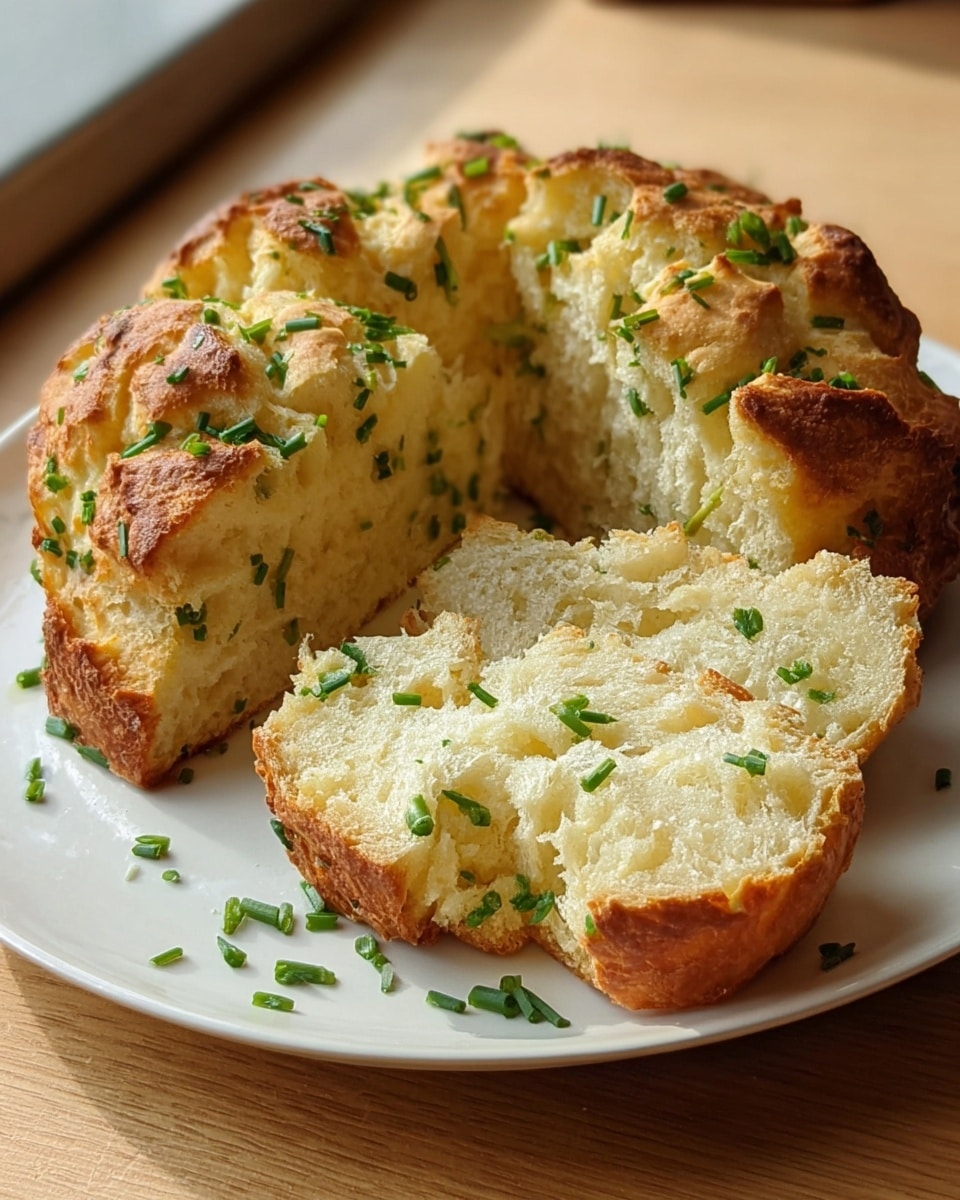
Oh, I just have to share this Irish Potato Bread Recipe with you—it’s one of those comforting, soul-satisfying breads that feels like a warm hug from the inside out. With soft mashed potatoes folded right into the dough, this bread is tender, slightly fluffy, and has a subtle buttery flavor that’s perfect any time of day. Whether you’re looking to bring a bit of Ireland into your kitchen or just want a different kind of homemade bread, this recipe hits the spot every time.
What I love about this Irish Potato Bread Recipe is how versatile it is—it’s great for breakfast slathered with jam, as a side for stews, or even just toasted with a bit of butter. Plus, it’s surprisingly straightforward to make, even if you’re not a regular bread baker. I’ve found that keeping the mashed potatoes cool and adjusting the dough just right takes the bread from good to absolutely irresistible. Trust me, you’ll want to have this recipe bookmarked for cozy weekends or when you need that perfect homemade treat.
Ingredients You’ll Need
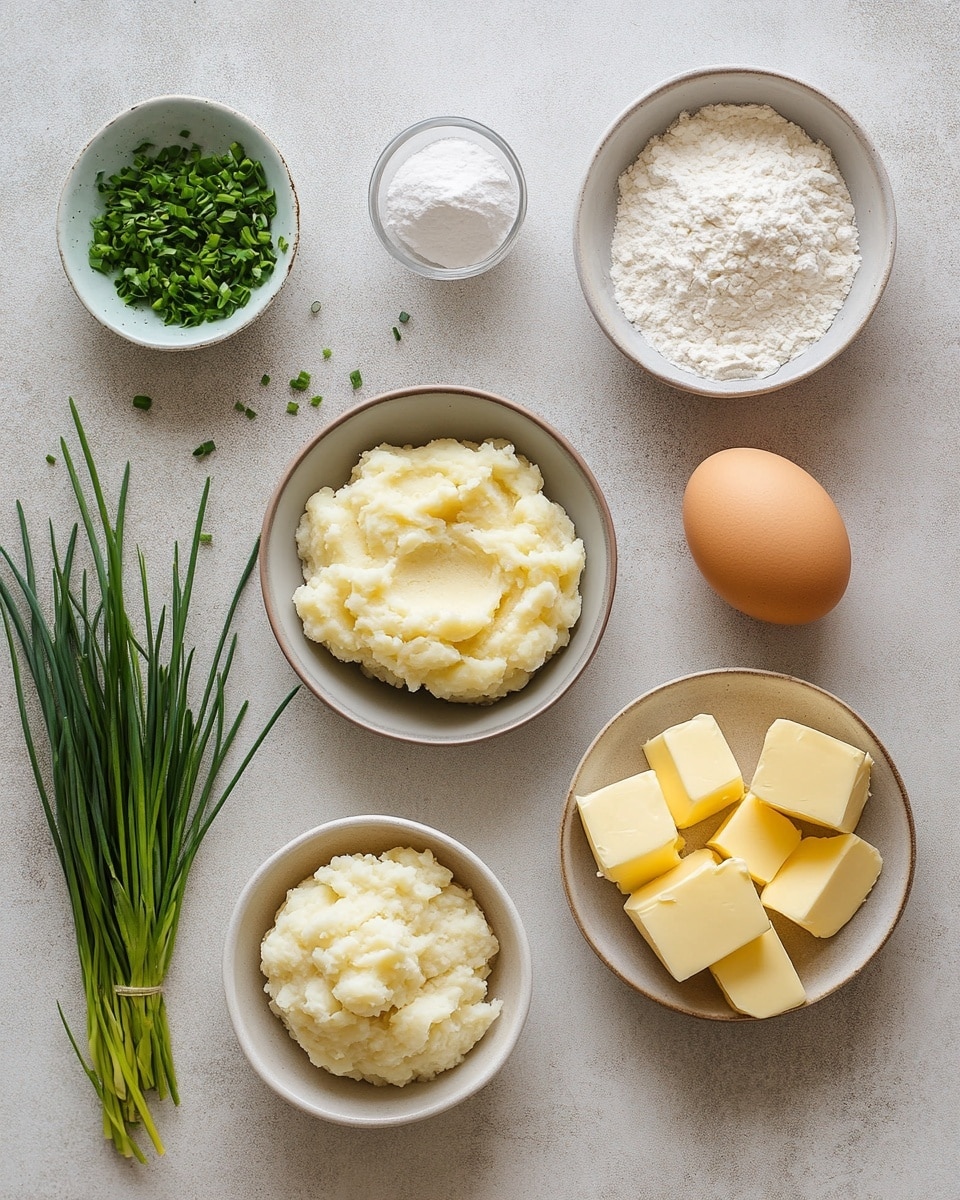
The magic behind this Irish Potato Bread Recipe lies in balancing simple, everyday ingredients that come together beautifully. I recommend using flour that’s fresh and a good quality butter to get that rich flavor. And if you can, freshly mashed potatoes make all the difference—it’s worth the little extra time.
- Mashed potatoes: Use starchy potatoes like Russet or Yukon Gold for the best texture; make sure they’re well mashed and cooled before using.
- All-purpose flour: This provides the right structure without making the bread too dense.
- Baking powder: Helps give the bread a light lift in combination with the potatoes.
- Salt: Balances the flavors perfectly.
- Butter: Softened butter blends in for a tender crumb and subtle richness.
- Milk: Adds moisture and keeps the dough soft; I use whole milk but you can try alternatives if needed.
- Egg: Binds the dough and adds a beautiful golden color when cooked.
- Fresh chives (optional): Adds a gentle oniony flavor and a pop of color if you’re feeling fancy.
- Extra flour: For dusting the work surface and adjusting dough consistency.
Variations
I love making this Irish Potato Bread Recipe my own by mixing things up depending on the season and mood. You can easily personalize it to suit your tastes or dietary needs—there’s plenty of room for creativity here!
- Herb-infused bread: I’ve added parsley, thyme, or rosemary alongside or instead of chives for a fresh herbal twist that pairs beautifully with savory meals.
- Cheese addition: Fold in some grated sharp cheddar or parmesan before cooking—it adds a lovely savory depth and crispy edges.
- Dairy-free: Swap milk for almond or oat milk and butter for coconut oil. I’ve done this successfully with great results!
- Spicy kick: Add a teaspoon of smoked paprika or chili flakes for something a little different.
How to Make Irish Potato Bread Recipe
Step 1: Perfect Your Mashed Potatoes
Start by peeling and boiling your potatoes until they’re tender—this usually takes about 15-20 minutes. Drain them well and let them cool a bit so they’re easier to handle. Mash them thoroughly using a potato masher or ricer; I find a ricer makes the bread lighter and less lumpy, but either works fine. Make sure the potatoes are completely cool before mixing, or your dough might turn out too sticky.
Step 2: Mix Your Dry Ingredients
In a large bowl, whisk together the flour, baking powder, and salt. This ensures even distribution and helps your potato bread rise just right. It’s a small step that really pays off in consistency.
Step 3: Cream Potatoes With Butter
In another bowl, combine the softened butter and cooled mashed potatoes. I either use an electric mixer or just a wooden spoon here, stirring until it’s smooth and creamy. This step adds moisture and flavor that make the bread incredibly tender—don’t rush through it!
Step 4: Add Milk, Egg, and Chives
Next, add the milk and egg to your potato mixture and stir until it’s evenly blended. If you’re using fresh chives (which I highly recommend), gentle fold them in now. The fresh green bits really brighten the flavor and appearance.
Step 5: Combine Wet and Dry Mixtures
Slowly add your dry flour mix into the wet potato mixture, stirring as you go. You’re aiming for a soft, slightly sticky dough that holds together but doesn’t cling too much to your hands. If it feels too sticky, sprinkle in a little extra flour—one tablespoon at a time—to adjust. Don’t overdo it, or the bread can get tough.
Step 6: Knead and Shape
Turn the dough onto a floured surface and knead it gently for about a minute—just enough for it to come together smoothly. Keep your kneading light to maintain the tender texture. Then press the dough into a ½-inch thick circle. You can cut this into wedges or use a round cutter to make individual rounds, depending on your preference.
Step 7: Cook Your Potato Bread
Heat a skillet or flat griddle over medium heat and lightly grease it with butter or oil. Cook each wedge or round for about 5-7 minutes on each side until golden and cooked through. Be patient and don’t overcrowd the pan—cooking in batches helps everything brown evenly. By the end, you’ll have beautifully golden, soft, and flavorful Irish potato bread ready to enjoy!
How to Serve Irish Potato Bread Recipe
Garnishes
I personally love finishing my Irish potato bread with a smear of butter and a sprinkle of flaky sea salt right after cooking—it’s simple but elevates the flavor perfectly. If I’m feeling fancy, a little bit of fresh chopped chives or a drizzle of honey for a sweet contrast does wonders.
Side Dishes
This bread pairs wonderfully with hearty Irish stews or soups, which is usually how I enjoy it in colder months. For breakfast, I love it alongside smoked salmon and cream cheese or scrambled eggs. It also makes a fab base for open-faced sandwiches if you want something quick but satisfying.
Creative Ways to Present
For festive gatherings, I’ve shaped the dough into small individual rounds and stacked them with layers of smoked salmon, sour cream, and fresh dill for beautiful, bite-sized treats. You could also toast and cut into fingers for a lovely party appetizer or brunch platter that invites everyone to dig in.
Make Ahead and Storage
Storing Leftovers
After cooling, I store leftover potato bread in an airtight container at room temperature for up to two days. If your kitchen’s humid, the fridge works fine but can dry the bread out slightly, so I prefer room temp when possible.
Freezing
This Irish Potato Bread Recipe actually freezes really well! Just wrap individual pieces tightly in plastic wrap and pop them in a freezer bag. They’ll keep beautifully for up to 3 months. When you want some, just thaw overnight in the fridge, or for a quicker option, defrost in the microwave for a few seconds.
Reheating
I reheat my leftover potato bread in a skillet over low-medium heat to regain that crispy outside and warm, soft inside. Alternatively, the toaster oven works great if you want a bit of crunch quickly. Avoid the microwave if you want to keep the texture spot-on, but it’ll do in a pinch.
FAQs
-
Can I use leftover mashed potatoes for the Irish Potato Bread Recipe?
Absolutely! Leftover mashed potatoes work perfectly as long as they don’t have too much added liquid like cream or butter. Be sure they’re cooled completely for best results and adjust flour as needed to get the dough consistency right.
-
Is Irish Potato Bread Recipe gluten-free?
Traditional recipes use all-purpose flour, which contains gluten. However, you can experiment with gluten-free flour blends. Note that the texture might be a bit different, so try a small batch first and adjust liquid/flour ratios accordingly.
-
Can I make this bread without baking powder?
Baking powder gives the bread its lightness and helps it rise since there’s no yeast. If you skip it, the bread will be denser and less fluffy. I recommend including it for the classic texture, but you might try substituting with baking soda plus an acidic ingredient like buttermilk if desired.
-
How do I know when the Irish potato bread is cooked through?
Look for a golden-brown crust and gently press the bread—it should spring back slightly without feeling doughy. Cooking 5-7 minutes per side over medium heat usually does the trick. If using bigger rounds or wedges, you might need a bit longer.
-
Can I add other mix-ins to the dough?
Definitely! This Irish Potato Bread Recipe is very forgiving. Chopped herbs, cheese, or even cooked bacon bits can be folded in to add extra flavor. Just don’t overload the dough or it might become tough to handle.
Final Thoughts
This Irish Potato Bread Recipe is genuinely one of those recipes that once you discover it, you’ll keep coming back to it again and again. It’s a simple joy, tied up in the warmth of home cooking and the comfort of soft, flavorful bread made with love. Whether you’re making it for family dinner, a laid-back brunch, or just to enjoy with a cup of tea, I promise this recipe won’t disappoint. So grab your potatoes, heat that skillet, and let yourself fall in love with a little piece of Ireland—right in your own kitchen.
PrintIrish Potato Bread Recipe

This traditional Irish Potato Bread recipe creates soft, tender, and flavorful bread using mashed potatoes and simple pantry ingredients. Cooked on the stovetop in a skillet, it is perfect for breakfast or as a side dish, with optional fresh chives adding a burst of herbal aroma.
- Prep Time: 40 minutes
- Cook Time: 30 minutes
- Total Time: 1 hour 10 minutes
- Yield: 8 servings 1x
- Category: Bread
- Method: Stovetop
- Cuisine: Irish
Ingredients
Potato Bread Dough
- 2 cups mashed potatoes (about 2 large potatoes)
- 2 cups all-purpose flour, plus extra for dusting
- 1 tsp baking powder
- 1/2 tsp salt
- 1/4 cup butter, softened
- 1/2 cup milk
- 1 large egg
- 1 tbsp chopped fresh chives (optional)
- Extra flour for dusting
Instructions
- Prepare Potatoes: Peel and boil the potatoes in salted water until tender. Drain and let cool slightly, then mash until smooth using a potato masher or ricer. Measure 2 cups of mashed potatoes and allow to cool completely.
- Mix Dry Ingredients: In a large bowl, whisk together flour, baking powder, and salt to evenly distribute the leavening and seasoning.
- Cream Butter and Potatoes: In a separate bowl, cream the softened butter and cooled mashed potatoes together until smooth, using an electric mixer or wooden spoon.
- Add Wet Ingredients: Incorporate milk and egg into the potato mixture, mixing thoroughly. Fold in chopped fresh chives if using.
- Combine Dough: Gradually add the dry flour mixture into the wet potato mixture, stirring gently to form a soft dough. Adjust consistency by adding extra flour if too sticky, a tablespoon at a time.
- Knead Dough: Turn dough onto a floured surface and knead gently for about one minute until it just comes together. Avoid over-kneading to keep the bread tender.
- Shape Dough: Pat dough into a circle approximately ½ inch thick. Cut into wedges or use a round cutter to form individual rounds.
- Heat Skillet: Preheat a skillet or flat griddle over medium heat and lightly grease with butter or oil.
- Cook Potato Bread: Cook each wedge or round for 5-7 minutes on one side until golden brown, then flip and cook the other side for an additional 5-7 minutes. Cook in batches to avoid overcrowding.
- Serve: Remove cooked bread from skillet and cool slightly on a wire rack. Serve warm or at room temperature.
Notes
- Use a potato ricer for smoothest mashed potatoes, which results in a more tender bread texture.
- If dough is sticky, add flour gradually; too much flour can make the bread dense.
- Fresh chives are optional but add a nice subtle flavor.
- Cook over medium heat to avoid burning the outside before the inside is cooked through.
- This bread is best eaten fresh but can be reheated on a skillet or toaster.
Keywords: Irish potato bread, potato bread recipe, stovetop bread, traditional Irish, soft bread, homemade bread