Easy Beef Bulgogi Bowls Recipe
If you’re craving something that feels like a big, warm hug on a plate, I can’t recommend this Easy Beef Bulgogi Bowls Recipe enough. It’s sweet, savory, and just the right amount of spicy—the marinade really does the magic here. What makes it special is how quickly you can get dinner on the table without sacrificing any of that Korean BBQ flavor you love from restaurants.
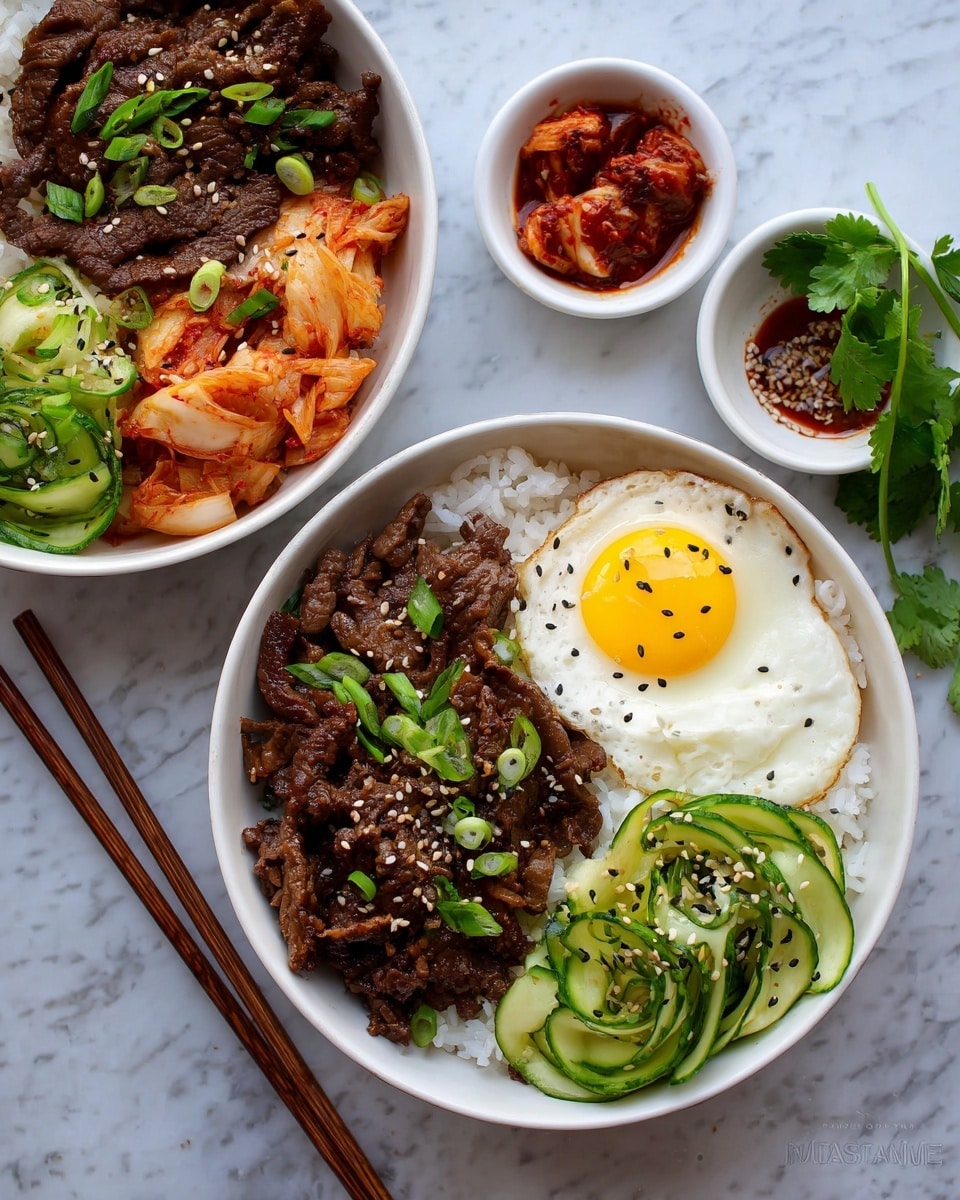
I often turn to this recipe when I want something comforting yet fresh and colorful. The combination of tender marinated beef, crunchy cucumber ribbons, and tangy kimchi served over steaming rice hits all the marks, especially on a busy weeknight. Plus, the fried egg on top adds that next-level richness that keeps everyone coming back for seconds.
Ingredients You’ll Need
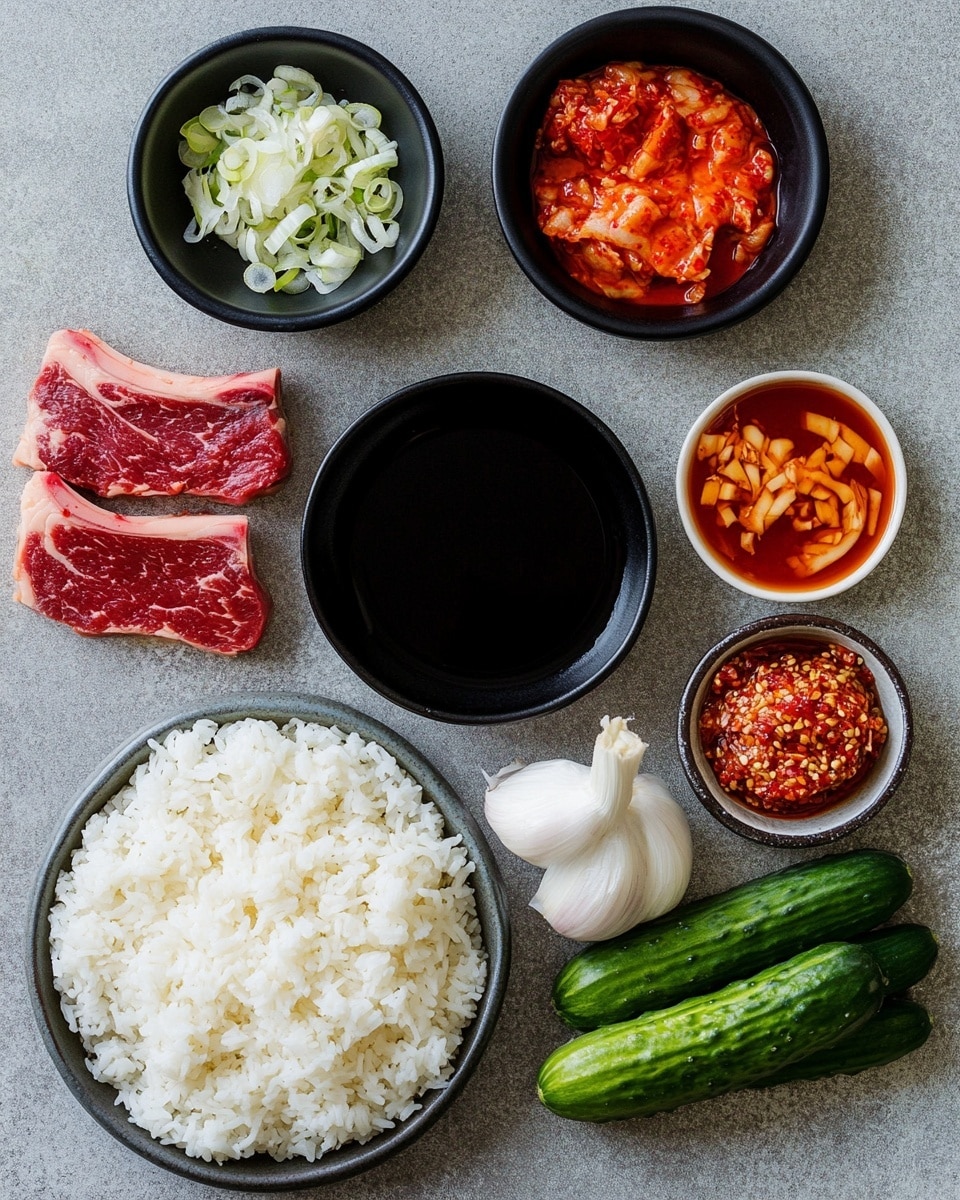
These ingredients team up perfectly for flavor and texture. Shopping tip: grab thinly sliced ribeye or sirloin for the best bite, and don’t skip the kimchi—it adds a lively zing that balances the sweetness.
- Soy sauce: The salty foundation for the marinade, opt for low sodium if you want to keep it balanced.
- Light brown sugar: Adds a mellow sweetness that caramelizes beautifully on the grill or pan.
- Sesame oil: Just a splash gives a toasty, nutty aroma—don’t replace it!
- Chili garlic sauce or Gochujang chili sauce: Adds heat and complexity; adjust the amount to your spice tolerance.
- Rice wine vinegar: Provides a subtle tang to brighten the marinade.
- Minced garlic: Essential for that punch of flavor.
- Minced ginger: Adds freshness and warmth.
- Thinly sliced shallots: Give the marinade sweetness and gentle bite.
- Ribeye or top sirloin steaks, thinly sliced: The star of the dish—thin slices cook quickly and stay tender.
- Vegetable oil: For cooking the beef, choose a neutral oil to keep flavors clean.
- Cooked rice: I recommend fluffy jasmine or short grain rice as the perfect base.
- Fried eggs: They add richness and a satisfying texture contrast.
- Kimchi: Homemade or store-bought, this fermented favorite balances savory flavors with a spicy zing.
- English cucumber: Cut into delicate ribbons for crunch and freshness.
Variations
I love how adaptable this Easy Beef Bulgogi Bowls Recipe is—feel free to tweak it to suit what you have on hand or your dietary preferences. Making it your own keeps dinner fun and exciting!
- Vegetarian option: Swap the beef for marinated tofu or mushrooms. I’ve tried shiitakes with the same marinade, and they soak up flavor beautifully.
- Spice level: If you prefer it milder, reduce the chili garlic sauce; for a firecracker bowl, double it!
- Grain base: Mix it up with quinoa, cauliflower rice, or even soba noodles.
- Sauce twist: Add a drizzle of sriracha mayo or a sprinkle of toasted sesame seeds for extra oomph.
How to Make Easy Beef Bulgogi Bowls Recipe
Step 1: Prepare and Marinate the Beef
Start by mixing soy sauce, brown sugar, sesame oil, chili garlic sauce, rice wine vinegar, garlic, ginger, and shallots in a bowl. Then, toss your thinly sliced ribeye or sirloin into this marinade, making sure every piece is well coated. I usually let it marinate for at least 30 minutes, although a few hours in the fridge is even better if you have time. Trust me, those flavors get deeper and sweeter with a little patience.
Step 2: Cook the Beef
Heat the vegetable oil in a large skillet over medium-high heat. Spread the beef out in a single layer and let it sear without stirring for about 1-2 minutes—this helps develop a rich caramelization. Then stir and cook for another couple of minutes until it’s just cooked through. Remember, since the slices are thin, you don’t want to overcook them or they’ll get tough.
Step 3: Prepare the Bowls
While the beef cooks, fry your eggs sunny side up or how you like them. Then, assemble your bowls starting with a generous scoop of warm rice. Top with the beef, fried egg, kimchi, and those bright cucumber ribbons you sliced. The fresh crunch from the cucumber balances gorgeous against the rich, savory beef.
How to Serve Easy Beef Bulgogi Bowls Recipe
Garnishes
I like to finish my bowls with thinly sliced green onions, a sprinkle of toasted sesame seeds, and sometimes a drizzle of sesame oil. These little touches add so much aroma and visual appeal, making the dish feel extra special without extra work.
Side Dishes
Usually, I serve this with extra kimchi on the side and sometimes steamed or roasted veggies like broccoli or bok choy to round it out. A simple miso soup or seaweed salad would be delightful companions too if you want a more traditional Korean-inspired spread.
Creative Ways to Present
For a fun dinner party twist, I’ve set up a DIY bulgogi bowl bar. Lay out bowls of rice, marinated beef, fried eggs, kimchi, cucumber ribbons, and all the garnishes so guests can build their own. It turns dinner into an interactive, delicious experience everyone loves.
Make Ahead and Storage
Storing Leftovers
I store leftover beef and rice separately in airtight containers in the fridge. Keeping the kimchi and cucumber separate preserves their crispness and freshness. This way, when you reheat, only the beef and rice need warming up.
Freezing
Freezing works great for the marinated beef before cooking, but I don’t recommend freezing the assembled bowls as the cucumbers and fried eggs don’t freeze well. Just freeze the beef in portions and thaw overnight before cooking.
Reheating
The best way I’ve found to reheat leftovers is gently in a skillet over medium heat, stirring occasionally until warm. This keeps the beef juicy and avoids drying it out like the microwave can. Serve fresh cucumber ribbons and kimchi alongside to keep the contrast crisp and bright.
FAQs
-
Can I use a different cut of beef for this recipe?
Absolutely! While ribeye and top sirloin are ideal for their tenderness and flavor, flank steak or skirt steak can work if sliced thinly against the grain. Just keep an eye on cooking time to avoid toughness.
-
How long should I marinate the beef for best results?
For the best flavor, marinate for at least 30 minutes, but if you can set it aside for 2-3 hours or overnight, the beef will soak up more of those amazing savory and sweet notes.
-
What can I substitute if I don’t have gochujang or chili garlic sauce?
You can use a combination of sriracha and a bit of honey or sugar to mimic the sweet-spicy kick, though it won’t have the exact fermented depth that gochujang has. Start with small amounts and adjust to taste.
-
Can I make this recipe gluten-free?
Yes! Just use a gluten-free soy sauce or tamari. Most other ingredients are naturally gluten-free, making this recipe easily adaptable.
-
Is this recipe good for meal prep?
Definitely! It reheats wonderfully, and assembling bowls during the week is quick. Just keep fresh elements like cucumbers and kimchi aside until ready to eat.
Final Thoughts
This Easy Beef Bulgogi Bowls Recipe is one of those go-to meals I keep coming back to when I want something flavorful but fuss-free. It transports me back to those shared Korean BBQ nights with friends, but with way less effort at home. I’m confident you’ll enjoy making it as much as eating it — and hey, once you nail the marinade, it’s hard not to keep it in your regular rotation. Give it a go and let me know what you think!
PrintEasy Beef Bulgogi Bowls Recipe
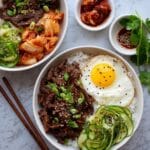
This Easy Beef Bulgogi Bowls recipe features tender, marinated ribeye or top sirloin steak slices cooked with a flavorful blend of soy sauce, brown sugar, sesame oil, and chili garlic sauce. Paired with fluffy cooked rice, fried eggs, crunchy cucumber ribbons, and tangy kimchi, this Korean-inspired dish is a perfect balance of sweet, spicy, and savory flavors ideal for a satisfying weeknight meal.
- Prep Time: 35 minutes
- Cook Time: 15 minutes
- Total Time: 50 minutes
- Yield: 4 servings 1x
- Category: Main Dish
- Method: Stovetop
- Cuisine: Korean
Ingredients
Beef Bulgogi Marinade and Meat
- 1/2 cup soy sauce
- 1/2 cup packed light brown sugar
- 1 tablespoon sesame oil
- 2 tablespoons chili garlic sauce or Gochujang chili sauce, or more to taste
- 1/4 cup rice wine vinegar
- 2 tablespoons minced garlic
- 2 tablespoons minced ginger
- 1/4 cup thinly sliced shallots
- 2 pounds ribeye or top sirloin steaks, cut into 1/8-inch-thick slices
- 2 tablespoons vegetable oil
For Assembling the Bowls
- 3 cups cooked rice
- 4 fried eggs
- 1 cup homemade or store-bought kimchi
- 1 English cucumber, cut into ribbons
Instructions
- Prepare the Marinade: In a large bowl, whisk together soy sauce, light brown sugar, sesame oil, chili garlic sauce, rice wine vinegar, minced garlic, minced ginger, and sliced shallots until the sugar dissolves and the mixture is well combined.
- Marinate the Beef: Add the thinly sliced ribeye or top sirloin steak to the marinade. Toss well to coat all pieces thoroughly. Cover and let it marinate in the refrigerator for at least 30 minutes, or up to 2 hours for deeper flavor.
- Cook the Beef: Heat vegetable oil in a large skillet or pan over medium-high heat. Remove beef slices from the marinade, letting excess drip off, and cook in batches to avoid crowding. Sear the beef slices for about 2-3 minutes per side until browned and cooked through but still tender.
- Prepare the Rice and Eggs: While cooking the beef, warm the cooked rice if not freshly made. In a separate pan, fry the eggs sunny-side-up or to your preference.
- Prepare the Cucumber: Using a vegetable peeler or mandoline, slice the English cucumber into thin ribbons and set aside.
- Assemble the Bowls: Divide the warm cooked rice evenly among four bowls. Top each with a portion of the cooked beef bulgogi, one fried egg, a scoop of kimchi, and garnish with cucumber ribbons.
- Serve: Serve the bowls immediately while the beef is still warm. Optionally, add more chili garlic sauce or sesame seeds for extra flavor.
Notes
- For tender and thin beef slices, partially freezing the steak for 30 minutes before slicing helps achieve the perfect thinness.
- Adjust the chili garlic or gochujang sauce amount to your preferred spice level.
- Use leftover rice or freshly cooked rice based on availability; freshly cooked rice will yield a better texture.
- Kimchi can be homemade for authenticity or store-bought for convenience.
- Vegetable oil can be substituted with any neutral oil with a high smoke point for cooking the beef.
Keywords: Beef Bulgogi, Korean Beef Bowl, Bulgogi Bowls, Easy Korean Recipes, Spicy Beef Bowl, Rice Bowl Recipes