Chicken Piccata Pasta Recipe
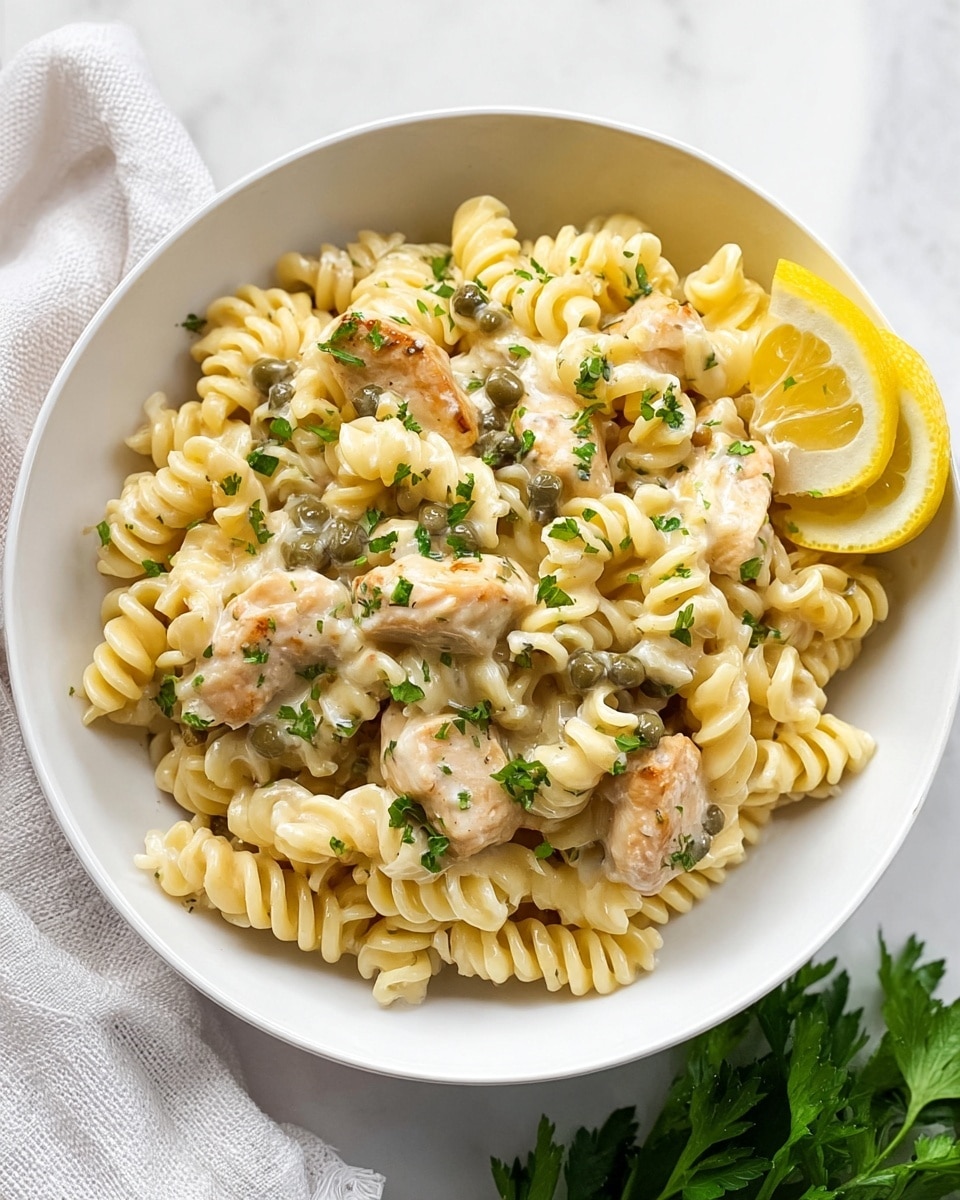
I’m so excited to share this Chicken Piccata Pasta Recipe with you! It’s one of those dishes that feels fancy but is surprisingly simple to make on any weeknight. The tangy lemon-caper sauce paired with tender chicken strips and perfectly cooked pasta makes it a total crowd-pleaser in my house. Whenever I’m craving something bright, flavorful, and comforting all in one bite, this recipe hits the spot every single time.
What I love most about this Chicken Piccata Pasta Recipe is how versatile and quick it is—it’s perfect for when you want to impress dinner guests without spending hours in the kitchen. Plus, the balance between the zesty sauce and cheesy parmesan creates a wonderfully rich and lively flavor that keeps everyone coming back for seconds. You’ll find yourself making it again and again, trust me!
Ingredients You’ll Need
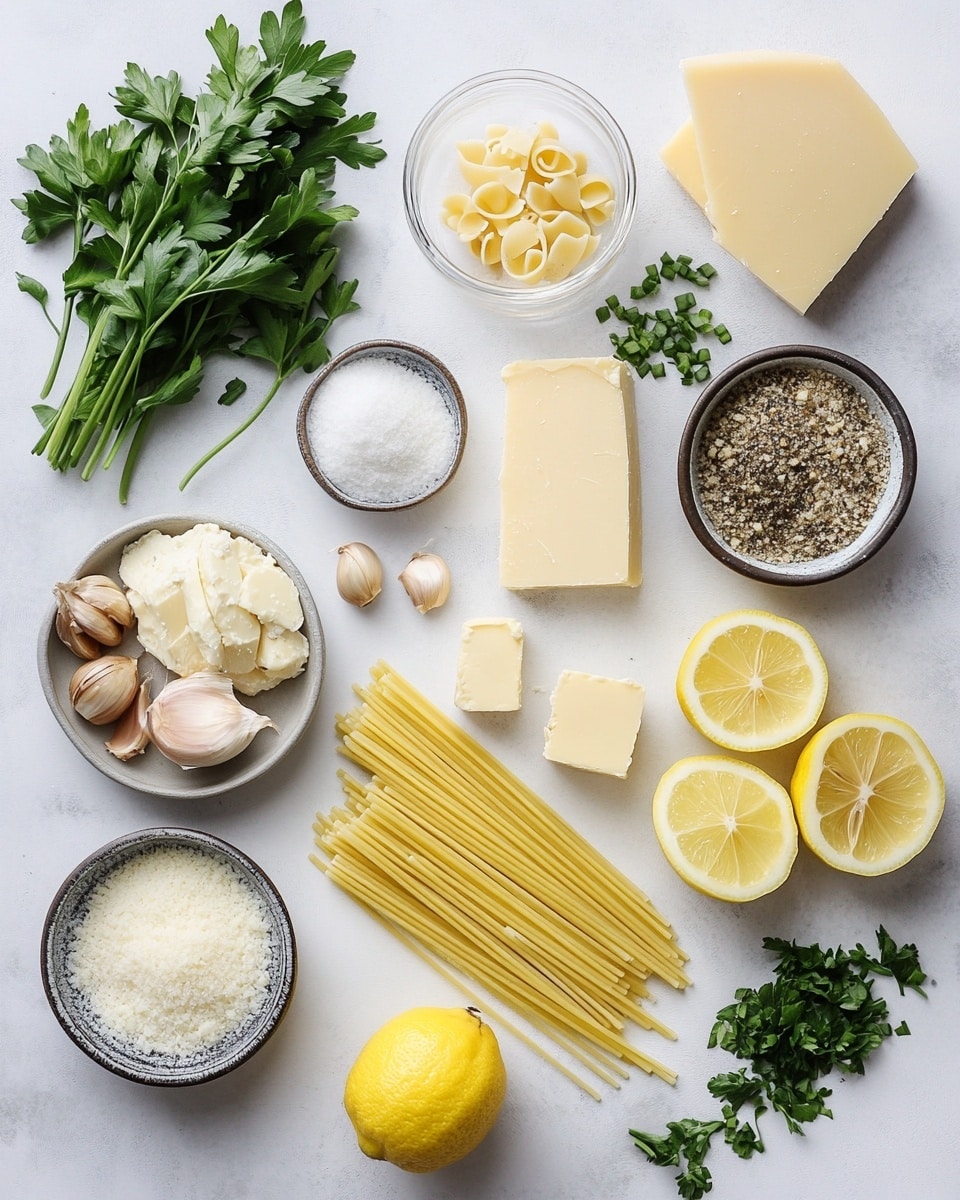
Each ingredient in this Chicken Piccata Pasta Recipe plays an important role in building the full flavor profile. From the brightness of fresh lemon juice to the silky richness of cold butter, these ingredients come together beautifully. Here’s what you’ll want to have ready before diving in.
- Chicken broth: Acts as a flavorful base for the sauce, enriching every bite without overpowering it.
- Chicken bouillon cube: Adds an extra punch of savory depth; I find half a cube is just enough to enhance without becoming salty.
- Dried parsley: For a subtle herbaceous note that complements the lemon and capers.
- Dijon mustard: Gives a gentle tang and helps thicken the sauce beautifully.
- Boneless skinless chicken breast: Tender and easy to slice—make sure to pat it dry for perfect searing.
- Salt and pepper: Simple seasonings that make all the difference in flavor balance.
- Olive oil: Used for searing chicken; I prefer good quality extra virgin for that lovely aroma.
- Flour: Helps create a delicious crust on the chicken and thickens the sauce later on.
- Parmesan cheese: Adds a delightful nuttiness both in the chicken coating and finishing the sauce.
- Dry white wine: The secret ingredient that brightens the sauce; Sauvignon Blanc or Pinot Grigio work well.
- Cold salted butter: Stirred in last for a creamy finish and extra luscious texture.
- Garlic: Minced fresh cloves add that classic aromatic punch that wakes up the dish.
- Radiator pasta: Its ridges and holes grab the sauce perfectly—I’ve tried penne too, but radiator is my top pick.
- Pasta water: The starchy water helps marry the sauce and pasta wonderfully.
- Capers: The star of piccata flavor! They bring that salty, briny zing you won’t want to skip.
- Fresh lemon juice: Adds essential brightness; always use fresh squeezed for best results.
- Freshly sliced lemons: For garnish to amp up the citrus vibe and add a pretty touch on the plate.
- Roughly chopped parsley: Finishes off the dish with fresh color and a mild herb flavor.
Variations
I love to play around with this Chicken Piccata Pasta Recipe depending on the season or who I’m cooking for. Don’t feel boxed in—adding your own twist can make it even more special. Here are some of my favorite tweaks and ideas for making the recipe your own.
- Variation: For a lighter take, swap the radiator pasta for zucchini noodles or a whole wheat pasta; the sauce still clings beautifully, and it’s a fresh way to change things up.
- Variation: If you’re dairy-free, try using nutritional yeast and a non-dairy butter substitute instead of parmesan and butter—the sauce still gets creamy and flavorful.
- Variation: I’ve sometimes added sun-dried tomatoes or sautéed mushrooms for an earthier twist, which balances nicely with the lemony sauce.
- Variation: For a heartier dinner, throw in some asparagus or green beans tossed in at the end for crunch and color.
How to Make Chicken Piccata Pasta Recipe
Step 1: Prep and Tenderize Your Chicken
Start by covering your chicken breasts with some plastic wrap and gently pounding them with the textured side of a meat mallet. This makes the chicken strips tender and cooks evenly. Then, slice them into 2-inch strips and dry them well with paper towels—the drier the surface, the better the flour coating will stick!
Step 2: Coat and Sear for Golden Perfection
Rub the chicken with a bit of olive oil before dredging each piece in the flour-Parmesan mixture. Doing one piece at a time keeps the coating nice and even. Heat your olive oil in a skillet over medium-high heat, then sear the chicken strips until golden brown and cooked through, about 3-4 minutes per side. Getting that golden crust locks in flavor and texture.
Step 3: Build Your Flavorful Sauce
Using the same skillet (hello, flavor!), pour in the white wine and scrape the browned bits off the bottom with a spatula — this is where tons of flavor live! Let the wine reduce by half, then add cold butter and garlic, cooking just long enough for the garlic to become fragrant. Sprinkle in flour and stir continuously to thicken.
Step 4: Add Broth and Simmer
Gradually whisk in your combined sauce ingredients: chicken broth, bouillon cube, parsley, and Dijon mustard. Bring everything to a boil then reduce to a simmer with a partial cover. Let that lovely mixture thicken while you cook your pasta.
Step 5: Pasta Time and Sauce Finishing Touches
Cook your radiator pasta in salted, boiling water until al dente. Don’t forget to ladle out some pasta water before draining—that starchy water is magic for your sauce. Toss the pasta with the sauce, reserved pasta water, and capers. Then mix in parmesan cheese and fresh lemon juice for brightness. Return the chicken to the pan and stir to heat through, letting the sauce thicken and soak into the pasta.
Step 6: Finish with Butter & Serve
Turn off the heat and stir in the cold butter – this step gives your sauce a rich, velvety finish. Once melted, dish it out and garnish with fresh lemon slices and chopped parsley for that picture-perfect plate!
How to Serve Chicken Piccata Pasta Recipe
Garnishes
I always top this dish with thin lemon slices and a generous sprinkle of roughly chopped parsley. The lemon slices add a fresh citrus aroma and make it look super inviting, while the parsley brightens up the flavors even more. Sometimes I toss in a little extra parmesan at the table for anyone who loves that cheesy finish.
Side Dishes
To round out the meal, I usually pair this Chicken Piccata Pasta Recipe with a simple green salad dressed with lemon vinaigrette. Roasted asparagus or garlic sautéed spinach are also fantastic companions, adding a fresh and slightly earthy contrast. A crusty baguette helps scoop up the remaining sauce—highly recommended!
Creative Ways to Present
For a special occasion, I like to serve this in shallow pasta bowls with a sprig of fresh parsley resting on top and extra lemon wedges on the side. You could also plate the chicken strips artfully over the pasta or even bake it briefly with some mozzarella and breadcrumbs for a crispy topping twist. It’s fun to switch things up and add your personal touch.
Make Ahead and Storage
Storing Leftovers
I store leftovers in an airtight container in the fridge and it usually stays fresh and tasty for up to 3 days. I make sure to give it a good stir before storing so the sauce is evenly distributed. When I open it up, everything smells just as good as when freshly made.
Freezing
This recipe freezes well if you want to batch cook. Just portion the pasta and sauce separately from the chicken if possible. When thawed, the sauce might separate slightly but a quick gentle reheat brings everything back to life beautifully.
Reheating
I prefer reheating this pasta in a makeshift double boiler on the stove to keep it creamy and avoid drying out. Stir gently to warm everything through, and add a splash of water or broth if needed to loosen the sauce. Microwaving works in a pinch but can sometimes make the sauce a bit grainy.
FAQs
-
Can I use a different type of pasta for Chicken Piccata Pasta Recipe?
Absolutely! While radiator pasta’s shape holds the sauce wonderfully, penne, farfalle, or even spaghetti will work just fine. Just pick a pasta that can catch the luscious sauce on its surface so nothing gets left behind.
-
What if I don’t have white wine on hand?
If you don’t have white wine, you can substitute with extra chicken broth and a splash of lemon juice or a teaspoon of white wine vinegar. The acidity helps mimic the brightness that wine typically adds to the sauce.
-
How can I make this recipe dairy-free?
Skip the parmesan cheese and butter, and instead use a dairy-free margarine or olive oil for richness. You can add nutritional yeast for a hint of cheesy flavor if you like, and the lemon-capers sauce will still shine.
-
Is it okay to use chicken thighs instead of breasts?
Definitely! Boneless skinless chicken thighs will add extra juiciness and flavor. Just be sure to adjust cooking time slightly since thighs can cook differently; watch for that golden crust as your cue.
-
Can I prepare parts of this recipe ahead of time?
You can have the chicken pounded, sliced, and coated up to a day ahead. Store it covered in the fridge, then cook just before serving for maximum freshness. The sauce is best made right before tossing with pasta and chicken.
Final Thoughts
This Chicken Piccata Pasta Recipe has become a staple in my dinner rotation because it’s just that good and so manageable to whip up. I hope you find it as rewarding to make and enjoy as I do, whether you’re feeding family, friends, or just treating yourself. It brings together simple ingredients into something really special, and I can’t wait for you to try it and fall in love with it too!
PrintChicken Piccata Pasta Recipe
Chicken Piccata Pasta is a delightful fusion dish that combines tender, golden seared chicken strips with a tangy and savory piccata sauce tossed with al dente radiator pasta. This recipe delivers a harmonious blend of flavors from lemon, capers, garlic, and parmesan, all complemented by a rich buttery sauce infused with white wine and chicken broth. Perfect for a comforting weeknight dinner, this meal comes together with easy steps and pantry-friendly ingredients.
- Prep Time: 25 minutes
- Cook Time: 35 minutes
- Total Time: 1 hour
- Yield: 6 servings 1x
- Category: Main Course
- Method: Stovetop
- Cuisine: Italian-American
Ingredients
Sauce:
- 2 cups chicken broth
- ½ chicken bouillon cube
- 1 teaspoon dried parsley
- 1 teaspoon Dijon mustard
Chicken:
- 1 ¼ lbs. boneless skinless chicken breast
- Salt and pepper, to taste
- 3 tablespoons olive oil, divided
- ¼ cup flour
- ¼ cup parmesan cheese, grated
Pasta and Sauce Ingredients:
- ¾ cup dry white wine
- 6 tablespoons cold salted butter, divided
- 3–4 cloves garlic, minced
- 3 tablespoons flour
- ½ lb. radiator pasta
- ¼ cup pasta water (reserved)
- 2 tablespoons capers, drained
- ¼ cup fresh lemon juice
- ½ cup parmesan cheese, grated
For Serving:
- Freshly sliced lemons
- Roughly chopped parsley
Instructions
- Prepare the Sauce Ingredients. Combine the chicken broth, bouillon cube, dried parsley, and Dijon mustard in a medium measuring cup with a spout. Set this mixture aside to use later in your sauce.
- Mix Flour and Parmesan for Chicken Coating. In a medium bowl, mix together the flour and grated parmesan cheese for coating the chicken. Set this aside as well.
- Tenderize and Cut the Chicken. Cover the chicken breasts with plastic wrap and gently pound them with the textured side of a meat mallet to tenderize. Cut the chicken into 2-inch strips and thoroughly pat dry with paper towels to ensure the coating adheres well.
- Oil and Coat the Chicken. Rub 1 tablespoon of olive oil evenly over the chicken strips. This will help the flour and parmesan coating stick. Then, one piece at a time, coat the chicken strips thoroughly in the flour and parmesan mixture.
- Sear the Chicken. Heat the remaining 2 tablespoons of olive oil in a skillet over medium-high heat. Add the coated chicken strips and cook until they turn golden and are cooked through, about 3-4 minutes per side. Once done, remove the chicken and set it aside.
- Boil the Pasta Water. While cooking the chicken, bring a large pot of water to a boil. Add about ½ tablespoon kosher salt once boiling is reached. This salted boiling water will be used to cook the pasta.
- Deglaze the Skillet with Wine. In the same skillet used to cook chicken, reduce the heat to medium and pour in the dry white wine. Use a silicone spatula to scrape the browned bits off the bottom and sides of the pan to incorporate flavor. Let the wine simmer until reduced by half, about 4-5 minutes.
- Add Butter, Garlic, and Flour. Stir in 3 tablespoons of cold salted butter and the minced garlic. Cook for about 1 minute until fragrant. Sprinkle the flour over the mixture and continuously stir for another minute to create a roux base for the sauce.
- Add the Sauce Mixture. Slowly add the previously prepared chicken broth mixture in small splashes, stirring constantly. Bring this mixture to a boil, then reduce to a simmer and cover partially. Allow the sauce to cook gently while you prepare the pasta.
- Cook the Pasta to Al Dente. Add the radiator pasta to the boiling salted water and cook according to package instructions until al dente. Before draining, ladle ¼ cup of pasta water from the top foam to reserve for sauce use. Drain the pasta thoroughly.
- Combine Pasta with Sauce. Add the drained pasta, reserved pasta water, and capers to the simmering sauce in the skillet. Toss well to coat the pasta evenly. Reduce the heat to low, then stir in grated parmesan cheese and freshly squeezed lemon juice.
- Reintroduce Chicken. Return the cooked chicken strips to the skillet and stir to blend with the pasta and sauce, allowing it to heat through thoroughly. The sauce will thicken and absorb into the pasta as it stands.
- Finish with Butter and Garnish. Stir in the remaining cold butter, combining it well to melt and enrich the sauce. Remove from heat, then garnish with freshly sliced lemon and chopped parsley. Serve immediately for best flavor.
Notes
- Storage: Store leftovers in an airtight container in the refrigerator for up to 3 days. For longer storage, freeze for up to 3 months.
- Reheating: Gently reheat on the stovetop using a makeshift double boiler method to restore the pasta’s creamy texture and prevent drying out.
- Wine Substitute: If you prefer, you can substitute chicken broth or white grape juice for the dry white wine, though this will alter the flavor slightly.
- Pasta Choice: Radiator pasta is recommended for its ridges that hold sauce well, but other short pasta with texture, such as rigatoni or penne, can be used.
- Nutritional Estimates: Calorie and nutritional info are approximate and based on 6 servings.
Keywords: Chicken Piccata, Pasta, Italian, Radiator Pasta, Lemon Sauce, Capers, Parmesan, Easy Dinner