Best Prime Rib for Christmas with Garlic Herb Crust Recipe
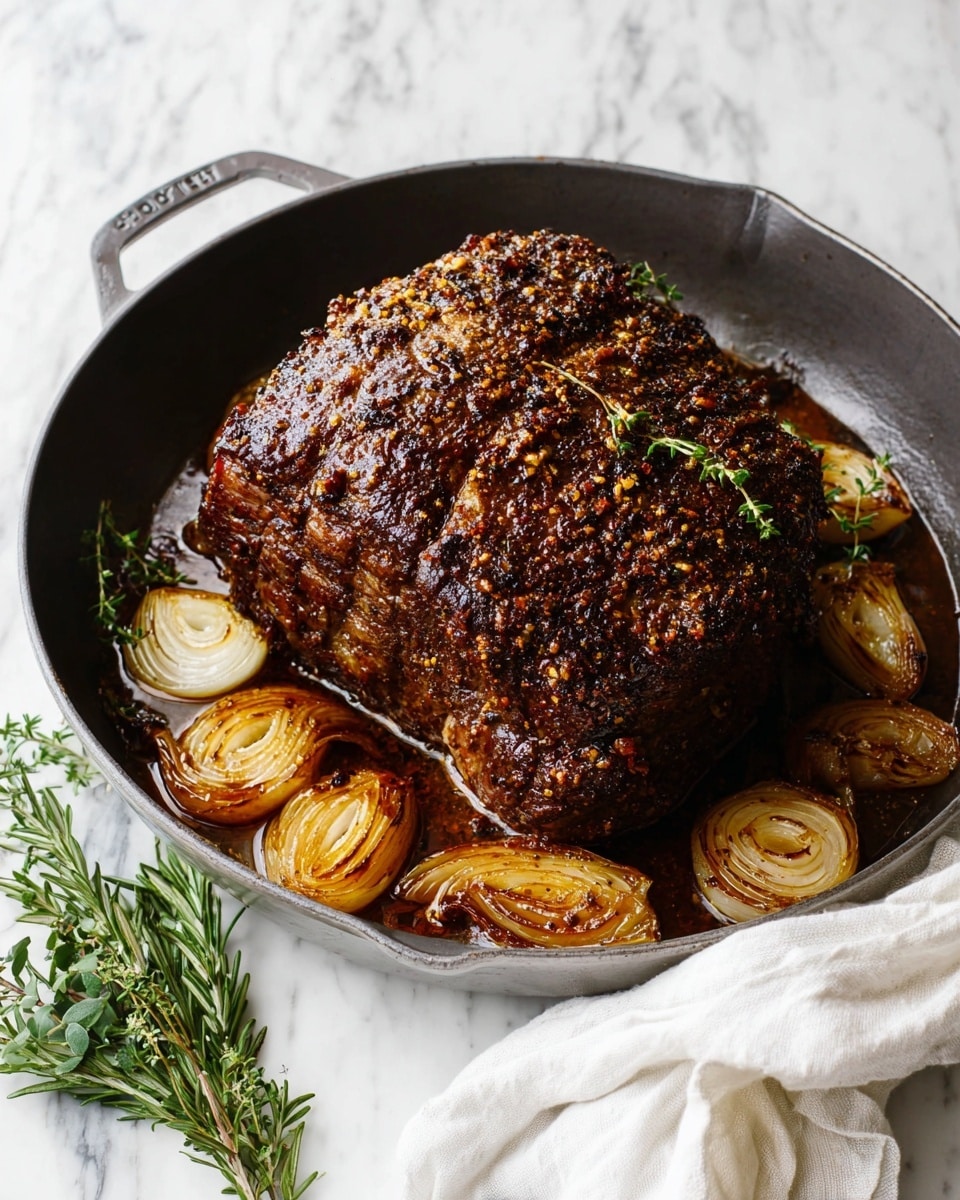
If you’re looking to impress everyone at your holiday table, I’ve got just the thing: the Best Prime Rib for Christmas with Garlic Herb Crust Recipe. This isn’t just any roast—it’s tender, flavorful, and wrapped in a fragrant garlic herb crust that locks in all the juicy goodness. Every time I make it, the aroma fills my kitchen and immediately signals that a special meal is about to happen. Trust me, this prime rib shines at festive gatherings but is equally perfect for any cozy winter dinner you want to make unforgettable.
What makes this recipe stand out, besides the perfect crust, is its simplicity paired with attention to detail, which means you don’t have to be a pro chef to pull it off. I love how the fresh herbs and garlic transform the beef into something rich and aromatic without overpowering the natural flavor. Whether you go classic or add the optional red wine au jus, the Best Prime Rib for Christmas with Garlic Herb Crust Recipe will quickly become your go-to centerpiece. You’re going to love how effortlessly elegant this roast turns out!
Ingredients You’ll Need
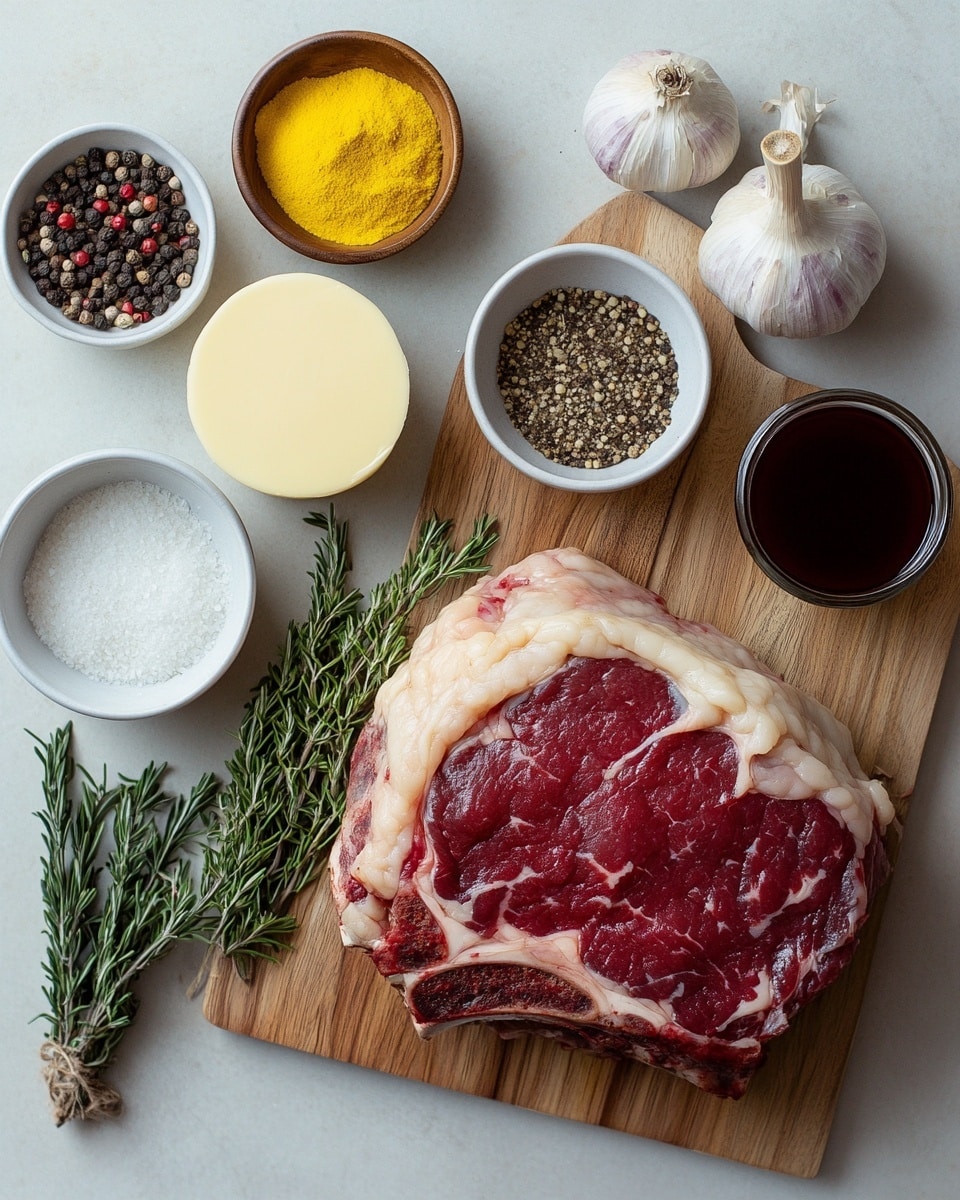
Each ingredient here plays a key role in crafting that perfect balance of savory and herbaceous flavors. I always recommend choosing fresh herbs and good-quality beef—it really makes a difference in the final dish.
- Prime rib (bone-in): The star of the show. Bone-in adds flavor and helps keep the meat juicy as it cooks.
- Butter (softened): Acts as the base of the crust, ensuring everything sticks and browns beautifully.
- Garlic cloves (minced): Fresh garlic gives that punch of flavor and aroma that’s essential in this crust.
- Kosher salt: Helps season the meat deeply while also drawing out moisture for a great crust.
- Fresh thyme (finely chopped): Adds subtle earthiness and pairs wonderfully with the beef.
- Fresh rosemary (finely chopped): Its piney notes sing in this roast and complement the garlic perfectly.
- Black pepper: Provides a bit of heat and depth—freshly cracked if you can.
- Yellow onion (quartered): Optional, but great if you want to make the red wine au jus—a delicious accompaniment.
- Red wine (for au jus): Rich and robust, it adds layers of flavor when making that optional sauce.
- Beef broth (for au jus): Balances the wine with savory notes for the perfect jus.
- Cornstarch or arrowroot powder (optional for thickening): Great if you prefer a thicker sauce consistency.
Variations
I love making this recipe my own depending on the occasion, and I encourage you to do the same! It’s such a versatile roast that there’s plenty of room to tweak flavors or adapt it for diets and preferences.
- Herb Mix Variation: Sometimes I swap fresh herbs for dried when fresh aren’t available—reduce the amount by half for dried herbs to avoid overpowering the beef.
- Garlic-Free Option: If you or your guests aren’t fans of garlic, I substitute garlic with shallots—minced finely for subtle sweetness.
- Au Jus-Free: I often skip the red wine au jus and serve the crusted prime rib with a horseradish sauce instead, which adds a nice kick.
- Diet-Friendly: For gluten-free cooking, just omit the thickener in the au jus or use arrowroot powder instead of cornstarch.
How to Make Best Prime Rib for Christmas with Garlic Herb Crust Recipe
Step 1: Preparing Your Prime Rib for Maximum Flavor
First things first, make sure your prime rib is thawed completely and at room temperature—this helps it cook evenly. While it’s warming up, mix together the softened butter, minced garlic, kosher salt, thyme, rosemary, and black pepper to create your garlic herb crust. Be generous with the seasoning, rubbing the mixture all over the entire surface of the roast, including the ends and under the tied bones if possible. This step sets the stage for that unforgettable flavor.
Step 2: Roasting Like a Pro
Preheat your oven to 450°F (230°C) and put the prime rib in a roasting pan with the fat side up. Add the quartered onion around the meat if you’re making the au jus—it adds sweet notes to the drippings. Roast at high heat for 15 minutes to get that beautiful crust going, then lower the oven to 325°F (160°C) and continue roasting. The key here is to use a meat thermometer; I typically aim for internal temperatures of 120-125°F for rare, 130-135°F for medium-rare. This usually takes about 1.5 to 2 hours depending on your roast size.
Step 3: Rest Before Carving
This is the golden rule with any roast, especially prime rib—rest it for at least 20-30 minutes after removing it from the oven. I know it’s tempting to slice right away, but resting allows the juices to redistribute and keeps the meat tender and juicy. Tent the roast loosely with foil to keep it warm during this time.
Step 4: Optional Red Wine Au Jus
While your roast rests, grab the pan drippings and separate the fat with a spoon or a fat separator. Combine ¼ cup of these drippings with 2 cups of beef broth and 1 ½ cups of red wine in a saucepan. Bring it to a simmer and reduce slightly. If you want your jus thicker, whisk in a slurry made from 1 tablespoon cornstarch or arrowroot powder mixed with cold water. This sauce adds a beautiful depth of flavor that pairs perfectly with the garlic herb crust.
How to Serve Best Prime Rib for Christmas with Garlic Herb Crust Recipe
Garnishes
I love keeping it simple here: a sprinkle of fresh thyme leaves and a few sprigs of rosemary on the platter add a festive look and tie the presentation back to the flavors in the crust. Sometimes I add roasted garlic cloves on the side for guests to spread on their meat. It’s those little touches that make serving feel special without extra effort.
Side Dishes
Classic mashed potatoes are my go-to companion for this prime rib—they’re perfect for soaking up every bit of that garlic herb crust and au jus. Roasted Brussels sprouts tossed with a little balsamic glaze also happen to be a favorite side because their slight bitterness balances the richness. For a festive touch, I sometimes add creamy horseradish sauce on the side to give it a nice kick.
Creative Ways to Present
When I’ve hosted holiday dinners, I enjoy presenting the prime rib on a large wooden board surrounded by fresh herbs and citrus slices for pops of color. Carving it in front of guests is always a crowd-pleaser, especially when paired with elegant serving utensils. You can even set up a carving station with the au jus and horseradish sauce nearby, making the experience interactive and fun.
Make Ahead and Storage
Storing Leftovers
I always slice the leftovers before storing to make reheating easier. Wrap the slices tightly in aluminum foil or airtight containers and pop them in the fridge within two hours of cooking to keep things safe and tasty. Properly stored, prime rib will stay good for up to 4 days.
Freezing
If you have more prime rib than you can eat in a few days, freezing works well. I separate the slices with parchment paper and freeze them in a sealed container or vacuum bag to prevent freezer burn. When frozen properly, the prime rib can last up to 3 months without losing too much flavor or texture.
Reheating
To reheat, I like to wrap the slices in foil with a splash of beef broth or water and warm them gently in a low oven (about 250°F) for 10-15 minutes. This method keeps the meat juicy without overcooking it. Microwave works in a pinch but can dry it out, so take it slow and cover well.
FAQs
-
What is the best way to achieve a perfect crust on my prime rib?
Using softened butter blended with fresh garlic and herbs and roasting initially at a high temperature (around 450°F for 15 minutes) sets a flavorful and browned crust. Be sure to rub it thoroughly and avoid opening the oven door too often during roasting.
-
Can I make the Best Prime Rib for Christmas with Garlic Herb Crust Recipe ahead of time?
Absolutely! You can prep the herb butter crust a day in advance and keep the roast wrapped in the fridge overnight. Just bring it to room temperature before roasting to ensure even cooking. The au jus can also be made ahead and reheated on serving day.
-
How do I know when my prime rib is done?
The most reliable method is using a meat thermometer. For rare, pull the roast at 120-125°F, medium rare at 130-135°F. Carryover cooking will raise the internal temperature a bit while resting, so plan accordingly.
-
Is the bone necessary in the prime rib?
The bone adds extra flavor and helps the roast cook more evenly by insulating the meat. If you buy it boneless, you can still make the recipe exactly the same, but expect slightly different cooking times.
-
What wine pairs best with this garlic herb crusted prime rib?
A robust red wine like Cabernet Sauvignon, Merlot, or a rich Pinot Noir pairs beautifully with the flavors in this dish. These wines complement both the beef and the garlicky herb crust without overpowering them.
Final Thoughts
This Best Prime Rib for Christmas with Garlic Herb Crust Recipe holds a special place in my heart because it’s that rare dish that feels luxurious but is genuinely doable in a home kitchen. The combination of fresh herbs, garlic, and butter creates something truly decadent that’s always met with “wow”s at the table. If you want to make your holiday meal one to remember, give this recipe a try—I promise it’s worth every bit of effort and will have your family and friends asking for it again year after year.
PrintBest Prime Rib for Christmas with Garlic Herb Crust Recipe
This Best Prime Rib recipe for Christmas features a succulent bone-in roast with a flavorful garlic herb crust, perfectly seasoned and slow-roasted to tender perfection. Accompanied by an optional rich red wine au jus made from the roasting pan’s drippings, this classic holiday centerpiece is sure to impress and satisfy your guests.
- Prep Time: 20 minutes
- Cook Time: 2 hours 20 minutes
- Total Time: 2 hours 40 minutes
- Yield: 8 servings 1x
- Category: Main Dish
- Method: Roasting
- Cuisine: American
Ingredients
Prime Rib Roast
- 6 pounds prime rib, bone-in (bones cut off and tied back on)
- ½ cup butter, softened
- 6 garlic cloves, minced
- 1 tablespoon kosher salt
- 1 teaspoon finely chopped fresh thyme
- 1 teaspoon finely chopped fresh rosemary
- 1 teaspoon black pepper
- 1 medium yellow onion, quartered (optional, for au jus)
Red Wine Au Jus (Optional)
- ¼ cup drippings from prime rib pan, fat separated
- 2 cups beef broth
- 1 ½ cups red wine
- 1 tablespoon cornstarch or arrowroot powder (optional, mixed as slurry to thicken)
Instructions
- Prepare the Garlic Herb Butter: In a small bowl, combine the softened butter, minced garlic, kosher salt, chopped fresh thyme, chopped fresh rosemary, and black pepper to create a fragrant garlic herb butter. Mix thoroughly until all ingredients are well incorporated.
- Prepare the Prime Rib: Ensure the 6-pound bone-in prime rib has the bones trimmed but tied back on to maintain shape during cooking. Pat the roast dry with paper towels for better browning.
- Apply the Herb Butter: Generously rub the garlic herb butter mixture all over the entire surface of the prime rib, ensuring every inch is coated for maximum flavor.
- Roast the Prime Rib: Preheat your oven to 450°F (232°C). Place the prime rib on a roasting rack set inside a roasting pan. Roast at this high temperature for 15-20 minutes to develop a crust.
- Lower the Oven Temperature and Continue Roasting: Reduce the oven temperature to 325°F (163°C) and continue roasting the prime rib until it reaches an internal temperature of 120°F (49°C) for rare or 130°F (54°C) for medium-rare, about 1.5 to 2 hours depending on your oven and roast size.
- Rest the Meat: Once cooked to desired doneness, remove the roast from the oven and tent it loosely with foil. Let it rest for at least 20-30 minutes. This step allows the juices to redistribute, ensuring a flavorful and juicy prime rib.
- Make the Red Wine Au Jus (Optional): While the prime rib is resting, pour the drippings from the pan into a fat separator or skim off the fat. Place a skillet or saucepan over medium heat, add the quartered onion, and sauté briefly. Add the beef broth, red wine, and drippings. Simmer and reduce the sauce until slightly thickened. If desired, stir in a slurry of cornstarch or arrowroot powder to thicken further. Strain the sauce before serving.
- Carve and Serve: Slice the prime rib between the ribs into thick, juicy servings. Serve alongside the optional red wine au jus for an elegant and flavorful presentation perfect for Christmas or any special occasion.
Notes
- Use a meat thermometer to accurately check the internal temperature for your preferred level of doneness.
- The resting step is crucial to keep the meat juicy and tender.
- Allow the prime rib to come to room temperature for about an hour before roasting for even cooking.
- If you prefer a thicker au jus, gradually add the cornstarch slurry while stirring until desired consistency is achieved.
- Bone-in prime rib offers more flavor and moisture retention compared to boneless.
- Make sure to tie the bones back on the roast to preserve shape and moisture.
- Letting the herb butter soften to room temperature makes rubbing it onto the meat easier and more evenly distributed.
Keywords: prime rib, Christmas roast, garlic herb crust, holiday beef roast, red wine au jus, holiday dinner, roast beef, festive meal